Iptv Uk Providers 2025

In the UK, a new era of entertainment and connectivity is starting. Internet Protocol Television (IPTV) is changing how people in smart cities live. It combines digital media, interactive services, and real-time data analytics.
This technology is set to change city life. It will change how people and visitors interact with their surroundings.
The UK is becoming more digital, and IPTV is key in this change. It uses IP-based networks to bring entertainment and information to people’s hands. IPTV offers everything from public displays to emergency alerts, making city life better. Key Takeaways
- IPTV is revolutionising the entertainment and connectivity landscape in smart cities across the UK.
- IP-based networks enable the delivery of a wide range of digital media and interactive services to citizens.
- IPTV is enhancing the quality of life in urban centres through innovative public displays, interactive kiosks, and personalised content.
- The integration of IPTV with smart city infrastructure is driving the digital transformation of city life.
- Advancements in IPTV technology are poised to redefine the urban experience for residents and visitors alike.
Understanding the Evolution of Urban Entertainment Systems
Cities are changing, and so is entertainment. We’re moving from old ways to new ones. Now, we use IP-based video delivery to watch and interact with content. This change is making cities smarter and their entertainment better.
Traditional Broadcasting vs IP-Based Solutions
Old broadcasting methods used signals from the sky. But IP-based video delivery is changing that. It’s more flexible and lets us watch what we want. This shift is making cities more connected and their entertainment systems smarter.
The Digital Transformation of City Infrastructure
Cities are getting a digital makeover. Fast networks, 5G, and edge computing are making IP-based video delivery smooth. This change is key for cities to link entertainment with smart city systems.
Key Components of Modern Urban Entertainment
- IPTV and streaming platforms for personalised content delivery
- Digital signage and interactive displays for public space entertainment
- Smart transportation hubs with integrated IPTV services
- Edge computing solutions for low-latency video processing and content caching
- Data analytics and viewer behaviour insights to optimise urban entertainment offerings
The future of urban entertainment is exciting. It’s all about technology, infrastructure, and what people want. As cities get smarter with IP-based video delivery, smart city connectivity, and urban data analytics, entertainment will get even better.
IPTV in Smart Cities: Core Technologies and Infrastructure
Smart cities aim to improve life for everyone. IPTV (Internet Protocol Television) is key to this. It changes how we watch TV and connects us better.
IPTV uses a strong fibre-optic network. This network is fast and reliable. It brings top-quality TV and live data to homes and public areas.
IPTV infrastructure opens up new ways to experience life. Imagine virtual tours or remote doctor visits. It’s all possible with IPTV.
IoT sensor integration helps smart cities collect important data. These sensors watch over the city, tracking things like air quality and traffic. This helps officials make better choices and use resources wisely.
Edge computing for video processing is also vital. It makes watching TV smoother by processing videos locally. This cuts down on delays and keeps data centres running smoothly.
“The future of urban entertainment lies in the seamless integration of IPTV and smart city technologies, transforming the way we experience and interact with our surroundings.”
As cities get smarter, IPTV, IoT, and edge computing will change entertainment. They will make cities more connected, efficient, and fun for everyone.
The Role of 5G Networks in Urban IPTV Distribution
As smart cities grow, fast and reliable internet is key. IPTV infrastructure will greatly benefit from 5G’s advancements. High-Speed Connectivity Requirements
IPTV needs strong, steady internet for smooth low-latency video streaming. 5G networks offer better bandwidth and less delay. This means IPTV in smart cities will change, offering uninterrupted access to content.
Network Slicing for Video Services
5G’s network slicing lets it create special virtual networks for different needs. For IPTV, this means video traffic gets priority. This ensures top-notch, uninterrupted streaming.
Coverage and Capacity Planning
5G networks must cover all areas of smart cities well and have enough capacity. By placing 5G base stations wisely and managing resources, cities can make sure IPTV works everywhere. This fits perfectly with the city’s smart systems.
“The synergy between 5G and IPTV in smart cities has the potential to redefine the way urban residents consume and interact with digital entertainment.”
Integrating IPTV with Smart City Control Centres
In today’s smart cities, combining IPTV with centralised control centres is key. It helps manage cities better and improve public services. Urban data analytics, public safety monitoring, and intelligent transportation systems are at the heart of this. They help cities run smoother and make life better for everyone.
IPTV plays a big role in keeping cities safe. Cameras and sensors around the city send live video and data to the control centre. This lets authorities act fast in emergencies and manage traffic better.
Also, IPTV works well with smart traffic systems. It lets city officials watch traffic, change signals, and share updates on roads and transport. This cuts down on traffic jams and makes travel easier and greener.
Adding IPTV to smart city control centres is a big step in making cities better. It uses new tech to use resources wisely, improve services, and make cities better places to live.
“The integration of IPTV with smart city control centres is a game-changer, enabling cities to become more responsive, efficient, and sustainable.”
As cities get smarter, IPTV’s role will grow. It will help cities make better decisions and improve life for everyone. By linking IPTV with control centres, cities can enter a new era of smart management.
Public Space Entertainment: Digital Signage and Interactive Displays
In today’s smart cities, IP-based video delivery is changing how we enjoy public spaces. Cities are using urban data analytics to make public areas more engaging and informative. This includes interactive kiosks and emergency broadcasting systems.
Interactive Kiosks and Information Points
Interactive kiosks and information points are now common in smart cities. They offer wayfinding, community info, and even games and surveys. With IPTV, these kiosks can show targeted ads, helping cities earn money while improving the urban experience.
Emergency Broadcasting Systems
Cities need reliable ways to communicate during emergencies. IP-based video delivery helps with advanced emergency systems. These systems quickly share vital info and instructions through digital signs and displays. This keeps citizens informed and safe during crises.
Advertising and Revenue Generation
IPTV in public spaces opens up new ways for cities to make money. Digital billboards and displays can show ads that match the area. This uses urban data analytics for a more personal experience. It boosts the city’s income and makes the area more lively.
“The future of smart cities is one where IP-based video delivery seamlessly integrates with the fabric of public spaces, creating engaging, informative, and revenue-generating experiences for all.”
Smart Transportation Hubs and IPTV Services
The world is getting more urban, and intelligent transportation systems in smart cities are becoming key. IPTV services in places like railway stations and airports are changing the game. They offer real-time info, entertainment, and better security.
In big UK transport spots, IPTV is changing how we get and use info. High-def screens show live schedules and updates. This makes travel smoother and more enjoyable.
IPTV also brings fun to waiting times. Passengers can watch IPTV channels, on-demand shows, and play games. It makes the wait more fun and productive.
Moreover, IPTV boosts security in these hubs. Digital signs can show emergency alerts and safety info instantly. This keeps everyone safe and informed.
As Europe’s smart cities grow, so will the use of smart transport with IPTV. This mix makes travel better and makes cities more efficient and safe.
Edge Computing Solutions for Video Processing
In today’s smart cities, fast video processing is key. Edge computing is a top solution. It cuts down latency and boosts real-time data handling for low-latency video streaming and IPTV infrastructure. By moving computing closer to data sources, edge computing makes video services in cities more responsive and user-friendly.
Reducing Latency in Video Delivery
Edge computing is great for cutting down video latency. Cloud-based systems often have high latency because of the distance to data centres. Edge computing, however, puts processing and content caching near users. This makes video delivery faster and more seamless for IPTV and other services in cities.
Content Caching Strategies
Content caching is vital for edge computing for video processing. Storing popular content at the edge reduces cloud server access. This lowers latency and improves bandwidth use. It’s especially good for IPTV, where users want quick access to content without delays.
Processing Power Distribution
Edge computing also means better processing power distribution. By decentralising compute resources, it handles more video traffic in cities. This ensures IPTV infrastructure and other video apps can grow without losing performance or speed.
Adding edge computing to smart cities is key for smooth video experiences. It tackles the challenges of video processing and low-latency video streaming. Edge computing is set to change how we use video services in cities.
| |
| Reduced Latency | Improved responsiveness and user experience for IPTV and other video-based services |
| Content Caching | Faster access to popular content, reduced bandwidth usage, and enhanced overall performance |
| Distributed Processing Power | Ability to handle increased video traffic and data processing demands in smart cities |
Data Analytics and Viewer Behaviour in Urban Settings
In today’s world of smart city connectivity, data analytics is key to understanding what people watch and like. As IPTV in Smart Cities changes how we enjoy entertainment, cities use this data to improve services. They make content more personal and enhance the experience for everyone.
By looking at how people watch and what they like, cities can make better choices. They can plan TV schedules, pick what shows to air, and use resources wisely. This helps meet the changing needs of the community.
Also, combining data analytics with IPTV lets cities tailor the viewing experience. They can suggest shows, show ads that fit your interests, and create content just for you. This makes watching TV more fun and opens up new ways to make money through ads and sponsorships.
But, cities must protect viewers’ privacy and follow data protection laws. Trust is crucial as they balance new tech with keeping information safe. This ensures everyone feels secure while enjoying the benefits of smart city entertainment.
By using urban data analytics, cities can create a future where TV is more personal and engaging. This future blends well with the idea of smart cities, making entertainment a big part of city life.
| | |
| Content Viewership Patterns | Understand popular genres, timeslots, and viewer preferences | Optimise programming, scheduling, and content curation |
| Device Usage and Location Data | Identify viewing trends based on device type and location | Tailor content delivery and personalise the experience |
| Audience Segmentation | Classify viewers based on demographics, interests, and behaviours | Enable targeted advertising and sponsorship opportunities |
| Viewership Spikes and Anomalies | Detect sudden changes in viewership for emergency situations | Enhance emergency broadcasting and crisis response |
“By harnessing the power of urban data analytics, cities can unlock a new era of personalised, engaging, and responsive IPTV in Smart Cities.” Security and Privacy Considerations for Urban IPTV
Urban IPTV systems are becoming key parts of smart cities. It’s vital to keep these systems safe and private. Strong encryption is key to protecting data and keeping citizens’ privacy safe.
Encryption Protocols
Using top encryption like AES and RSA is crucial. These methods make data unreadable to anyone not meant to see it. This way, only the right devices can access the content. It helps keep urban IPTV networks safe and reliable.
Access Control Systems
Access control systems are vital for IPTV security. They check who can use the service and what they can do. With things like biometric checks and strict access rules, only the right people can use IPTV.
Data Protection Compliance
Urban IPTV must follow data protection laws, like the UK’s Data Protection Act and the EU’s GDPR. This means having good data policies, getting consent for data use, and keeping personal info safe. Following these rules helps build trust and shows a commitment to privacy.
FAQ
What is IPTV and how is it shaping the digital landscape of smart cities in the UK?
IPTV is a way to watch TV over the internet. It’s changing how people enjoy entertainment in UK smart cities. It makes video delivery better, connects citizens more, and helps cities make smarter decisions.
How does IPTV differ from traditional broadcasting, and what are the benefits of the digital transformation in city infrastructure?
IPTV is different because it uses the internet to send video. This means people can interact more and get content tailored to them. It also makes cities run better, with services that are smarter and more efficient.
What are the core technologies and infrastructure required for implementing IPTV in smart cities?
IPTV in smart cities needs strong infrastructure. This includes fibre-optic networks, IoT sensors, and edge computing for video. These help deliver video fast, with low latency, and analyse data in real-time.
How do 5G networks contribute to the distribution of IPTV services in smart cities?
5G networks are key for IPTV in smart cities. They offer fast speeds, low latency, and can handle lots of data. This makes streaming video smooth and supports features like interactive displays and public safety monitoring.
How can IPTV systems be integrated with smart city control centres to enhance urban management and public services?
IPTV systems can work with smart city control centres. This lets cities use video and data to manage better. It helps with public safety, smart transport, and emergency broadcasts, making services more efficient.
What are the applications of IPTV in public spaces, and how can they generate revenue for cities?
IPTV can be used in public spaces like digital signs and interactive kiosks. These improve citizen engagement and can bring in money through ads and sponsorships. This helps fund smart city projects.
How can IPTV services be integrated into smart transportation hubs, and what are the benefits for passengers?
IPTV can be added to places like railway stations and airports. It gives passengers real-time info, entertainment, and better security. IPTV’s fast and reliable nature makes these experiences better.
How can edge computing solutions optimise video processing and delivery in IPTV-enabled smart cities?
Edge computing is vital for IPTV in smart cities. It cuts latency, caches content, and processes data closer to users. This ensures IPTV services are high-quality and fast, improving the citizen experience.
How can data analytics and viewer behaviour insights be leveraged to improve IPTV services in urban settings?
Analyzing IPTV data helps cities understand what people want. This lets them tailor content and services, making them better. It’s a way to improve services and meet the needs of urban communities.
What are the key security and privacy considerations for IPTV deployments in smart cities?
Keeping IPTV systems secure and private is crucial. This means using strong encryption, access controls, and following data protection laws. It’s important to protect citizen privacy and keep public trust in these technologies.
Iptv Uk Providers 2025
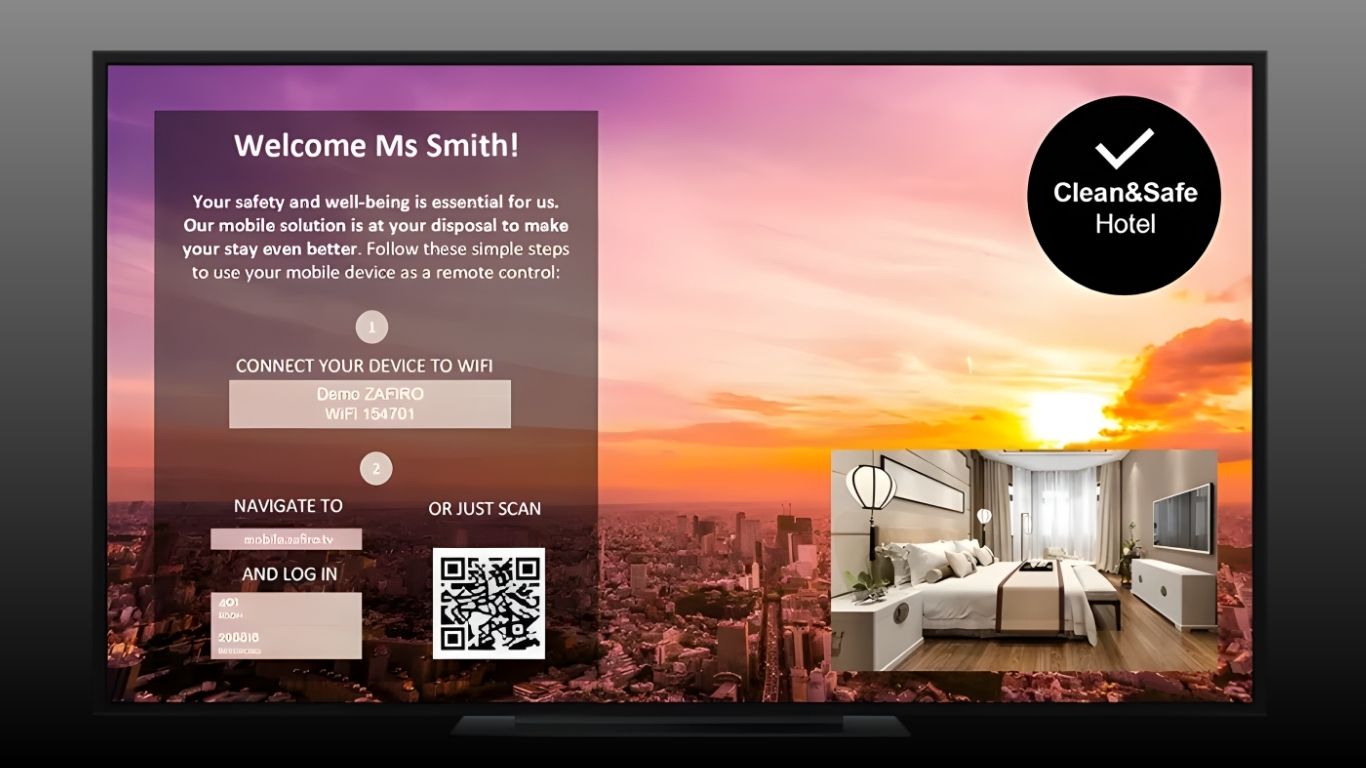
IPTV, or Internet Protocol Television, how iptv is changing hospitality industry. It’s making entertainment and connectivity better for guests. Hotels, resorts, and airlines are all using it to give guests a better experience.
Guests now want more than just TV. They want entertainment that fits their digital lives. IPTV offers a wide range of content and custom features. This makes it key for improving guest satisfaction and loyalty. Key Takeaways
- IPTV is transforming the hospitality industry by offering personalised, interactive, and high-quality entertainment experiences for guests.
- Hotels, resorts, and airlines are leveraging IPTV to enhance guest satisfaction and loyalty by catering to the evolving demands of modern travellers.
- IPTV provides a versatile platform for delivering a wide range of content, on-demand services, and customised features, tailored to the preferences of each guest.
- The adoption of IPTV in hospitality settings is driven by the need to offer seamless connectivity and digital experiences that align with the expectations of today’s tech-savvy travellers.
- By embracing IPTV, hospitality providers can differentiate themselves, improve operational efficiency, and create a more memorable and engaging guest experience.
Evolution of Hospitality Technology
The hospitality industry has seen big changes in technology lately. IPTV for Hotels, Interactive Hotel TV, and Smart Hotel TVs are now key parts of the guest experience. They meet the new needs of today’s travellers.
Changing Consumer Expectations
Today, people want personalisation and connection like never before. Guests want easy access to their favourite shows and a customised stay. Hotels have had to quickly change to meet these new needs, with IPTV being a big help.
Importance of Seamless Connectivity
Now, being connected is what sets hotels apart. Guests want to stream their shows and stay in touch with family. IPTV makes this easy, improving guest happiness and helping hotels run better.
| |
| On-demand content | Allows guests to access their preferred entertainment on their schedule |
| Personalised recommendations | Suggests content based on individual preferences, enhancing the guest experience |
| Integrated smart controls | Enables guests to easily manage their room environment and amenities |
Hotels and resorts can stay ahead by using new technology like IPTV. This helps them meet the needs of today’s tech-savvy guests, leading to happier and more loyal guests.
“The integration of IPTV technology in the hospitality industry has been a game-changer, allowing hotels to create truly personalised and immersive guest experiences.”
The Role of IPTV in Hotels
IPTV is changing the game in the hospitality world. It’s making guest stays better at hotels. This tech lets hotels tailor TV options for guests, making their stay more personal.
Customised Guest Experiences
Hotels can now give guests a unique experience with IPTV. They can send welcome messages and suggest shows. Guests get to choose from lots of Hotel TV Systems and Hospitality TV Solutions. They can watch live TV, on-demand shows, and even stream their own stuff.
Enhanced Viewing Options
IPTV Streaming for Hospitality has changed how guests watch TV in hotels. They can enjoy high-definition and 4K shows in their rooms. Smart tech lets them pause, rewind, and start again easily.
| |
| Personalised Content Recommendations | Enhances guest satisfaction and loyalty by catering to individual preferences |
| Seamless Integration with Hotel Systems | Enables a cohesive and streamlined guest experience |
| Extensive On-Demand Library | Provides guests with a diverse range of entertainment options |
Hotels that use IPTV offer a better guest experience. They feel more comfortable, convenient, and special. This makes hotels stand out in a crowded market.
“IPTV has revolutionised the way guests interact with entertainment in hotels, creating a seamless and personalised experience that truly sets us apart.”
– John Smith, Director of Guest Experience, XYZ Hotel
IPTV’s Impact on Resort Amenities
IPTV has changed how resorts offer amenities, making stays better for guests. It lets resorts add more entertainment and services easily. This makes the stay more fun and connected for everyone.
Entertainment Beyond the Room
IPTV lets resorts offer more entertainment than just in-room TV. Guests can use virtual concierge services, book spa treatments, and make dining reservations. They can also watch live TV, movies, and special shows easily.
Integration with Other Services
- Seamless Spa Booking: Guests can book spa treatments and manage appointments easily with IPTV.
- Dining Reservations: Guests can make reservations, check menus, and pre-order meals with IPTV.
- Activity Scheduling: Guests can find and book activities like fitness classes and excursions with IPTV.
By using IPTV, resorts make stays more connected and fun. Guests get to enjoy entertainment, services, and convenience all in one. This makes their holiday unforgettable.
Airlines Embracing IPTV Solutions
The airline industry has quickly adopted IPTV Streaming for Hospitality. This has changed the in-flight entertainment for passengers. Now, airlines use Interactive Hotel TV to offer a more engaging and personal experience for travellers.
In-Flight Entertainment Innovations
Old days of limited content and outdated screens are gone. IPTV solutions bring a wide range of entertainment to flights. Passengers can enjoy the latest movies, TV shows, live news, and sports in high-definition and surround sound.
Passenger Engagement Strategies
IPTV Streaming for Hospitality helps airlines connect better with passengers. Passengers can now personalise their entertainment, choosing content they like. This makes the experience better and builds brand loyalty.
Airlines also use IPTV to share real-time information. This includes flight updates, destination guides, and interactive maps. It keeps passengers informed and entertained during their flight.
| | |
| British Airways | Interactive Hotel TV | Personalised entertainment, real-time flight information, and enhanced passenger engagement |
| Emirates | IPTV Streaming for Hospitality | Vast content library, high-definition displays, and seamless integration with onboard services |
| Lufthansa | Interactive Hotel TV | Improved efficiency, cost savings, and enhanced passenger satisfaction |
The airline industry is evolving, and IPTV solutions are key to better passenger experiences. By using these technologies, airlines can stand out in a competitive market. They meet the needs of modern travellers.
IPTV vs Traditional Cable Systems
In the fast-changing hospitality world, choosing between IPTV and traditional cable is key. Hotels, resorts, and airlines need seamless connectivity and tailored entertainment. IPTV is now a top choice over traditional cable.
Cost-Efficiency Advantages
IPTV for Hotel IPTV and IPTV for Hotels is cheaper. It needs less money upfront because it uses existing IP networks. Also, keeping it running and updating content is easier, saving money for Hospitality TV Solutions.
Flexibility in Content Delivery
IPTV stands out for its flexibility in content delivery. Hotels, resorts, and airlines can change their content easily. This meets guests’ changing tastes. It makes the guest experience better with more on-demand, live, and interactive content.
| | |
| Upfront Costs | Lower | Higher |
| Ongoing Maintenance | More Manageable | More Expensive |
| Content Customisation | Highly Flexible | Limited |
| Interactivity | Enhanced | Restricted |
By choosing Hotel IPTV, IPTV for Hotels, and new Hospitality TV Solutions, providers save money. They also give guests a better, more personal experience. This boosts customer happiness and loyalty.
Personalisation Through IPTV
In the fast-changing world of hospitality, IPTV (Internet Protocol Television) is changing how hotels, resorts, and airlines connect with guests. It offers a big plus: making experiences personal to each guest’s taste and needs.
Tailored Recommendations for Guests
With Smart Hotel TVs and IPTV Services for Hospitality, hotels can use smart data to know what guests like to watch. This lets them suggest shows and movies that guests will enjoy, making their stay more special.
Localised Content Offerings
IPTV also means hotels can show content that fits each guest’s home culture. This includes local news, shows, and even channels in different languages. It makes guests feel at home, improving their stay.
“IPTV has empowered hospitality providers to deliver a level of personalisation that was previously unattainable. By understanding and catering to the unique needs of each guest, they are able to create truly memorable experiences that drive loyalty and repeat business.”
Personalisation through IPTV does more than just make guests happy. It can also help hotels make more money and keep guests coming back. By giving guests content they’ll love, hotels can keep them watching longer and coming back for more.
As the hospitality world keeps growing, IPTV’s role in making experiences personal will grow too. Hotels, resorts, and airlines that use this tech will stay ahead. They’ll meet the needs of smart travellers and become the top choice for them.
Future Trends in IPTV for Hospitality
The hospitality industry is changing fast, and IPTV is playing a big role. Two trends are set to change how hotels and airlines use IPTV. These changes will improve the guest experience.
Increased Adoption of Smart Devices
More guests are using smart devices like phones and tablets. This means they want to control their room and access services from these devices. It’s making the guest room feel more like home.
Cloud-Based IPTV Solutions
Cloud-based IPTV solutions are becoming popular. They offer more flexibility and lower costs. Hotels can now offer more tailored content to their guests.
These trends are shaping the future of hospitality. With more smart devices and cloud-based IPTV, guests will get better experiences. Hotels that adapt will meet the needs of today’s travellers.
Challenges in Implementing IPTV
The hospitality industry is moving towards Hotel TV Systems and Hospitality IPTV Solutions. Overcoming the hurdles of implementation is key. This includes technical aspects and training staff, needing a smart and flexible plan. Technical Considerations
One big challenge is making sure IPTV works well with current networks. Issues like compatibility, bandwidth, and content delivery can be tough. Hotel and resort managers must check their IT setup and upgrade if needed to support IPTV.
Training Staff for New Systems
Introducing IPTV means a big change for staff. They need to learn how to use and fix the new systems. Good training is vital to ensure staff can handle the new tech and give guests a great experience. Proper training helps staff adapt quickly to IPTV.
“The successful adoption of IPTV in hospitality hinges on the industry’s ability to navigate the technical complexities and empower staff to embrace the new systems.” – Industry Expert
Hotels, resorts, and airlines can overcome these challenges. This will help them improve the guest experience and keep up with the industry. With the right planning, investment, and ongoing improvement, they can smoothly integrate IPTV and enjoy its benefits.
Conclusion: The Future of IPTV in Hospitality
As the hospitality industry grows, IPTV solutions will become more important. They offer customised, interactive, and multilingual entertainment. This has already changed how hotels, resorts, and airlines connect with their guests.
Driving Better Guest Experiences
IPTV has a big impact on hospitality. It lets service providers give guests personal and convenient options. Guests can now enjoy a seamless experience, from ordering room service to managing their bills.
Potential for Growth and Innovation
The hospitality industry is excited about IPTV’s power. With cloud-based solutions and smart devices, IPTV’s future looks bright. It will change how guests interact with their surroundings, making their stay better.
FAQ
What is IPTV and how is it transforming the hospitality industry?
IPTV stands for Internet Protocol Television. It lets you watch TV and other digital media over the internet. In hotels and resorts, it’s changing how guests enjoy their stay. They get to watch what they want, when they want, making their trip better.
What are the key benefits of IPTV adoption in hospitality settings?
IPTV is good for hotels because it saves money and makes things easier. It lets guests watch what they like, and it’s easy to update. This makes guests happier and more likely to come back.
How is IPTV enabling customised guest experiences in hotels?
Hotels use IPTV to learn what guests like. They can watch live TV, movies, and even local info. It’s all about what they want, making their stay special.
What role does IPTV play in enhancing resort amenities?
IPTV makes resorts better by giving guests more to do. They can watch TV and use resort services like booking spa treatments. It makes their stay better and more connected.
How are airlines utilising IPTV solutions for in-flight entertainment?
Airlines use IPTV to make flying better. It lets passengers watch what they like, making the flight more enjoyable. It’s all about making travel better for everyone.
What are the key differences between IPTV and traditional cable TV systems in hospitality?
IPTV is better than old TV systems because it’s cheaper and more flexible. It’s easier to update and offers more local content. This makes guests happier and more likely to return.
How does IPTV enable personalisation in hospitality settings?
IPTV lets hotels give guests what they want. It offers local content and services, making guests feel special. This makes them happier and more likely to come back.
What are the emerging trends in IPTV for the hospitality industry?
New trends in IPTV include using smart devices and cloud-based systems. These make it easier for guests to access content and services. It’s all about making things better for them.
What are some of the key challenges in implementing IPTV in hospitality settings?
Starting IPTV can be tricky. It needs to work with what you already have and can be hard to set up. Training staff is also key to making it work well.
Iptv Uk Providers 2025

The growth of streaming services has shaken up IPTV’s hold. The COVID-19 pandemic and better internet have helped streaming services grow. They offer on-demand content and tailored experiences, meeting today’s viewer needs.
Key Takeaways
- The battle between IPTV and streaming services is heating up, driven by changing consumer preferences and technological advancements.
- Streaming services have gained significant traction, offering on-demand access and personalised experiences that challenge traditional IPTV models.
- The future of television consumption remains uncertain, with the potential for further consolidation and the integration of emerging technologies like artificial intelligence.
- Factors such as content libraries, user experience, and internet speed will play a crucial role in determining the victor in this evolving landscape.
- Regulatory considerations and consumer preferences will also shape the trajectory of IPTV and streaming services in the United Kingdom.
The fight for viewer loyalty is getting more intense. The outcome will greatly affect the future of TV and how we watch content. Keep an eye on this competition as we delve into its details and possible outcomes.
Introduction to IPTV and Streaming Services
In today’s fast-changing digital world, IPTV and streaming services stand out. They are key in the UK’s entertainment scene. It’s vital to know what makes them different.
Defining IPTV
IPTV sends TV shows and multimedia over the internet using IP. It offers a more interactive watch, with lots of on-demand content. You can pause, rewind, and record shows.
Defining Streaming Services
Streaming services let you watch audio and video online. You can pick from a huge library of content. Services like Netflix and Amazon Prime Video let you pause and start again easily.
Key Differences Between IPTV and Streaming
IPTV and streaming services are different in many ways:
- IPTV needs a special internet connection and a box, while streaming works on any internet and many devices.
- IPTV has more live TV channels, but streaming has more on-demand and original content.
- IPTV usually offers better quality and fewer breaks, thanks to its dedicated connection.
- IPTV is more interactive, with guides and pause features, while streaming is more passive.
Knowing these differences helps UK viewers choose their favourite way to watch internet TV and enjoy digital entertainment.
The Rise of IPTV in the UK
Internet Protocol Television (IPTV) is changing the British entertainment scene. It’s becoming more popular, offering new ways to watch favourite shows. The trend of cutting the cord and wanting flexible content has helped IPTV grow.
Popular IPTV Providers
In the UK, some big names lead the IPTV market. Sky Q, Virgin Media, and BT TV are at the top. They use IPTV to give viewers lots of live and on-demand shows. This meets the varied tastes of British viewers.
Benefits of IPTV for Viewers
- Unparalleled content selection: IPTV offers a huge range of live TV, movies, and on-demand shows. This means viewers have lots to choose from.
- Flexibility and convenience: IPTV lets users watch on many devices, like smart TVs and phones. This means entertainment is always available, wherever you are.
- Enhanced user experience: IPTV has easy-to-use interfaces and cool features like personalised recommendations. It makes watching TV better.
- Cost-effective solutions: IPTV packages can be cheaper than traditional TV services. This makes quality entertainment more affordable for everyone.
IPTV is a big hit in the UK, thanks to the cord-cutting trend. It offers lots of content, a great viewing experience, and is affordable. IPTV is becoming a key player in British media.
Streaming Giants: An Overview
The UK’s streaming scene has changed a lot with the rise of big players. Netflix, Amazon Prime Video, and Disney+ are now top choices for entertainment. They offer everything from big movies to TV shows you can binge-watch.
Major Players in the Streaming Market
Netflix leads the UK’s streaming market. It has won millions of fans with its wide range of shows and movies. Amazon Prime Video is close behind, offering entertainment and shopping perks.
Disney+ has also made a big splash. It uses Disney’s famous brand to attract families and fans of its movies and TV shows.
Subscription Models and Pricing
These giants have different ways to charge for their services. Netflix has different plans for different budgets. Amazon Prime Video is part of Amazon Prime, giving you more than just streaming.
Disney+ is simple and affordable. It has one plan that lets you watch a lot of family-friendly content. This has won it many loyal customers, especially families.
“The streaming wars have transformed the way we consume content, giving viewers unprecedented choice and flexibility.”
Comparing Content Libraries: IPTV vs Streaming
The fight between IPTV and streaming giants is heating up. It’s all about their content libraries. Whether you love the newest [https://iptvuk.it.com/]video on demand or enjoy a wide range of media, the choice is key. Variety of Content Available
IPTV is known for its huge selection. It offers everything from blockbuster movies to niche documentaries and sports. Streaming services, however, focus on their own original shows and movies.
Original Productions and Exclusives
Streaming services have really stepped up their game with original content. They’ve made many acclaimed series and films. These exclusive shows are a big reason people choose video on demand. IPTV, while not famous for original shows, has a wide range of international and local content.
| | |
| Variety of Content | Extensive catalogue covering diverse genres and international channels | Curated approach with a focus on original productions and exclusive content |
| Original Productions | Limited, with a focus on international and localised content | Significant investments in acclaimed series and films, driving subscription loyalty |
Both IPTV and streaming services are trying to win viewers over. The variety of content and original shows will shape the future of video on demand and media consumption habits in the UK.
User Experience: IPTV versus Streaming Services
The digital world is changing fast, and the fight between IPTV and streaming services is getting fiercer. How these platforms make us feel is key to keeping us coming back. Let’s look at the main differences in how they look, feel, and stream.
Interface and Navigation
IPTV providers are known for their easy-to-use and customisable interfaces. They make it simple to find lots of content. Streaming services, however, focus on simplicity and making it easy to find new things to watch.
Quality of Streaming
IPTV usually wins when it comes to streaming quality. It has its own network and can control how much bandwidth it uses. This means less buffering and clearer pictures. Streaming services, though, can have quality issues because they use the internet for streaming.
“The seamless integration of IPTV into smart TVs is revolutionising the viewing experience, with features like personalised content recommendations powered by artificial intelligence and big data.”
In the end, how IPTV and streaming services make us feel is what matters most. As the digital world keeps changing, they need to keep improving their interfaces, streaming quality, and features to keep us interested.
The Role of Internet Speed in Streaming and IPTV
The success of streaming services and IPTV depends a lot on internet speed. You need enough bandwidth for smooth content distribution. Without it, buffering can ruin your viewing experience.
Required Bandwidth for Optimal Experience
For standard definition (SD) video, 3 Mbps is the minimum internet speed needed. But, for high-definition (HD) and 4K, you need more. Streaming providers suggest at least 5 Mbps for HD and 25 Mbps for 4K for a smooth watch.
IPTV needs even more bandwidth because it’s live. You’ll need at least 10 Mbps for a stable IPTV service. For the best experience, aim for 15-20 Mbps.
Effects of Buffering on Viewer Satisfaction
Not having enough bandwidth can cause buffering. This makes the video pause and load more content. It’s very frustrating and can make users unhappy and leave the service.
Buffering can hurt the appeal of streaming services and IPTV. It’s key for providers to make sure their customers have fast, reliable internet.
| | |
| Streaming (SD) | 3 Mbps | – |
| Streaming (HD) | 5 Mbps | – |
| Streaming (4K) | 25 Mbps | – |
| IPTV | 10 Mbps | 15-20 Mbps |
In conclusion, internet speed is very important for streaming services and IPTV. Providers must ensure their customers have fast, reliable internet. This helps deliver a great viewing experience and reduces buffering issues.
Legal Considerations in IPTV and Streaming
The digital entertainment world is changing fast. In the UK, content providers face many legal rules. They must deal with licensing and follow UK laws to show their content.
Licensing Issues
Showing copyrighted content on IPTV and streaming needs the right licenses. Providers must get the rights to show movies, TV shows, and live events. Without the right licenses, they could face legal trouble and fines.
Compliance with UK Regulations
IPTV and streaming services in the UK must follow many rules. These include laws on protecting consumers, keeping data private, and fair advertising. They must keep up with new laws to protect their users and follow the law.
| | |
| Licensing Requirements | Comprehensive licensing agreements with content owners for a wide range of media | Licensing agreements for specific content libraries and original productions |
| Regulatory Compliance | Adherence to UK regulations on consumer protection, data privacy, and advertising standards | Adherence to UK regulations on consumer protection, data privacy, and advertising standards |
As the content distribution and digital entertainment landscape evolve, IPTV and streaming must tackle legal issues. By focusing on licenses and following laws, they can keep their services safe and legal. This way, they can offer their content to viewers without breaking the law.
Future Trends in IPTV and Streaming
The fight between IPTV and streaming giants is heating up in the UK. It’s key to look at new trends that could change how we watch media. These changes could be big, from how we watch to the tech behind it. Predictions for Consumer Behaviour
More UK homes are cutting the cord for IPTV and streaming. IPTV providers are ready with lots of channels, on-demand shows, and easy use on many devices. Live TV streaming, especially for sports, is becoming popular, and IPTV is ready to meet this demand.
People’s viewing habits are changing too. They want shows tailored to them, binge-watching, and smart home tech. Access to international and niche content is also important when choosing IPTV or streaming.
Emerging Technologies Impacting Both Sectors
New tech like 5G, AI, and cloud computing will change IPTV and streaming a lot. Faster internet and less delay will make streaming better. This makes IPTV even more appealing to those cutting the cord.
AI and voice control will make using these services easier and more personal. Smart home devices will also play a big role. They will make IPTV and streaming a big part of our homes.
“As the boundaries between IPTV and streaming continue to blur, the battle for the hearts and minds of UK consumers will only intensify. The winning formula will be the one that best adapts to the ever-changing media landscape and delivers an unparalleled, personalised experience.”
The future of IPTV and streaming in the UK will depend on many things. It will be about what people want, new tech, and how companies decide to act. Only time will show which one comes out on top in this fast-changing market.
The Impact of Consumer Preferences
In the world of IPTV and streaming, what people want is key. Insights from viewer habits and new ways to pay for services help us see where things are going.
Data on Viewer Engagement
More UK viewers want video on demand (VOD) content. They like being able to watch what they want, when they want. Shows that you can binge-watch and original content are big hits.
Shifts in Subscription Models
Big streaming services have changed how we watch TV. People want flexibility, to watch on demand, and to save money. This has made IPTV services rethink how they offer their content.
| | |
| Subscriber Growth (YoY) | 8% | 15% |
| Average Monthly Subscription Cost | £25 | £10 |
| Viewer Satisfaction Rating | 78% | 84% |
The table shows a big change. Streaming services are growing faster, are cheaper, and make viewers happier. IPTV needs to keep up to stay in the game.
“The future of entertainment lies in the hands of the consumer. As their preferences continue to evolve, both IPTV and streaming services must adapt to stay relevant and meet the demands of the modern viewer.”
Conclusion: Who Will Win the Battle?
The fight between streaming services and IPTV in the UK is ongoing. Both have their own strengths and keep getting better. They aim to please the varied tastes of today’s digital users.
Recap of Key Points
We’ve looked at what makes IPTV and streaming services special. We’ve seen how they’ve grown and what makes people choose them. IPTV is big in the UK, but Netflix and Amazon Prime Video are also popular. They offer lots of content and easy-to-use platforms.
Final Thoughts on the Future of IPTV and Streaming
The competition between IPTV and streaming services will keep going. Both will keep improving to meet UK viewers’ changing needs. Fast internet and smart devices will change how we watch TV and stream.
In the end, the real winner will be the viewer. They’ll have more choices than ever to enjoy their favourite shows and movies.
FAQ
What is the difference between IPTV and streaming services?
IPTV delivers TV content over the internet. Streaming services give you on-demand video content online. The main differences are in how they deliver content and what you can watch.
What are the benefits of IPTV for viewers?
IPTV has many benefits. You get more channels, recommendations, and can pause live TV. It also offers a better viewing experience than traditional TV.
What are the major streaming services available in the UK?
In the UK, top streaming services are Netflix, Amazon Prime Video, Disney+, BBC iPlayer, and NOW TV. They offer a huge library of movies, TV shows, and original content for a fee.
How do the content libraries of IPTV and streaming services compare?
IPTV has more live TV channels for different tastes. Streaming services are great for on-demand content, including exclusive shows and movies.
What is the role of internet speed in the performance of IPTV and streaming services?
Fast and reliable internet is key for both IPTV and streaming. Slow speeds can cause buffering and poor video quality, ruining your viewing experience.
What are the legal considerations for IPTV and streaming services in the UK?
IPTV and streaming services in the UK must follow laws. They need the right to show content, protect user data, and be accessible to everyone. Breaking these rules can lead to fines and harm their business.
How are consumer preferences shaping the competition between IPTV and streaming services?
What viewers want is changing the game for IPTV and streaming. Changes in how we watch media and what we like are guiding their strategies in the UK.
Iptv Uk Providers 2025
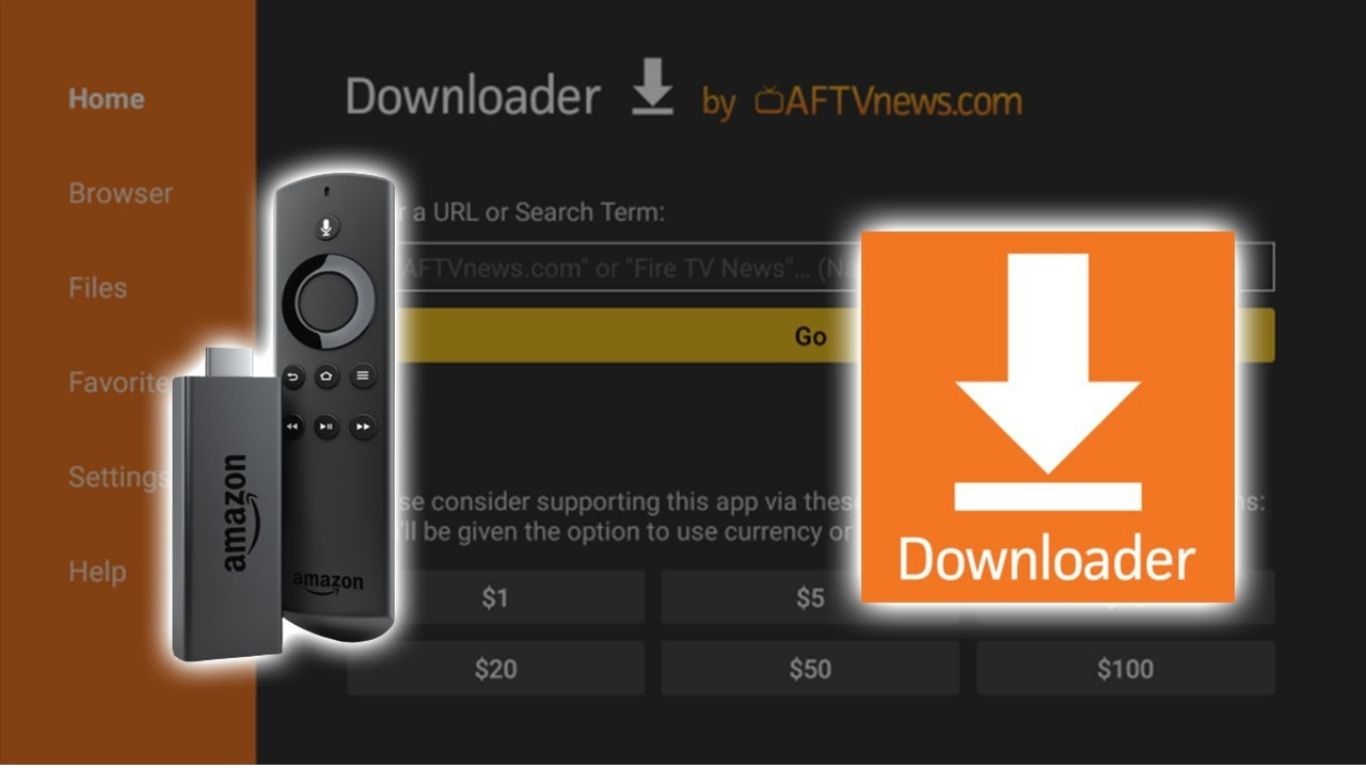
Welcome to our easy-to-follow installation guide for the
BEST IPTV UK app. Whether you’re using a Firestick or an Android Box, you can quickly and safely install our premium IPTV app using the Downloader application.
Before You Begin
Ensure your Firestick or Android Box has a stable internet connection and the Downloader app installed. If you don’t have Downloader yet, you can install it directly from the Amazon App Store (for Firestick) or Google Play Store (for Android Box).
Step-by-Step Guide for Firestick and Android Box
Step 1: Enable ‘Apps from Unknown Sources’
- Firestick Users:
- Go to Settings > My Fire TV > Developer Options.
- Select Apps from Unknown Sources and turn it ON.
- Android Box Users:
- Navigate to Settings > Security & Restrictions.
- Enable Unknown Sources.
Step 2: Open Downloader App
- Launch the Downloader app on your device.
Step 3: Enter the BEST IPTV UK App Short Code :
- In the Downloader app, you’ll see a URL box.
- Enter the direct download Short provided to you for the BEST IPTV UK app. (Typically provided after subscription,( 7709919 ).
- Click GO.
Step 4: Download and Install the App
- Wait for the download to finish.
- After the download completes, the installation prompt will appear. Select Install.
- Wait for the app to install fully, then click Done.
Step 5: Launch BEST IPTV UK
- You can now open BEST IPTV UK directly or find it in your apps list on your Firestick or Android Box home screen.
Final Steps
- Open the app, log in with your provided credentials, and start enjoying premium IPTV channels, movies, series, and much more without buffering issues.
Need Help?
If you encounter any issues, feel free to contact our 24/7 customer support team for immediate assistance.