Iptv Uk Providers
The rise of Internet Protocol Television (IPTV) is changing how we watch news in the UK. It moves from old TV to the internet, making news more immersive and interactive. IPTV news platforms use the internet to change how we get and interact with news. Key Takeaways
- IPTV is changing news by making it real-time, on-demand, and interactive.
- Internet news gives more variety, personalisation, and engagement than old TV.
- IPTV news uses AI and data to give content that fits you better.
- The shift to IPTV is bringing new ways to watch and interact with news.
- Traditional news networks face challenges as they adapt to IPTV’s digital world.
Understanding IPTV and Its Evolution in News Broadcasting
The world of news broadcasting has changed a lot in recent years. This is thanks to internet protocol television (IPTV). It has made news more dynamic and personal, meeting the needs of today’s viewers.
From Traditional TV to Internet Protocol Television
News is no longer just on traditional TV. IPTV has brought a new way, streaming news over the internet. This makes news more accessible and interactive for everyone.
The Technical Framework of IPTV News Delivery
The technology behind IPTV news is complex but works well. It uses video servers, content delivery networks, and content management systems. These parts work together to send news smoothly to viewers everywhere.
Key Components of IPTV News Systems
At the core of IPTV news systems are important parts. They help deliver news in real-time, tailored to each viewer. These include:
- Video Servers: Store and stream news in high quality.
- Content Delivery Networks (CDNs): Make sure news reaches far and wide efficiently.
- Content Management Systems: Organise and deliver news to fit different viewer needs.
- User Interface and Interactivity: Make news easy to use and interact with in real-time.
These parts work together perfectly. This has started a new era of news, where internet protocol television and online news streaming are common.
“IPTV has fundamentally changed the way we access and consume news, empowering viewers with greater control and personalisation.”
How IPTV is Changing News Consumption
The rise of internet protocol television (IPTV) has changed how we watch news. It offers a more personal, interactive, and immersive experience. This meets the changing tastes of today’s viewers.
IPTV brings personalised news feeds to the forefront. It uses smart algorithms and user data to show news that matches your interests. This way, you can focus on the news that matters to you, making it more engaging.
Also, IPTV introduces interactive news platforms. Now, you can interact with news in new ways. You can get extra info, vote in polls, or talk to journalists and others in real-time. This makes watching news more fun and interactive.
Moreover, IPTV offers immersive news experiences. With virtual reality, 360-degree video, and augmented reality, you can feel like you’re right there. This makes news stories come alive, helping you understand them better.
As IPTV keeps improving, the future of news looks bright. It will be more personal, interactive, and immersive. This will change how we get and engage with news, making it more exciting.
“IPTV has the potential to redefine the news landscape, empowering viewers to curate their own personalised news experiences and become active participants in the news cycle.”
The Rise of Personalised News Feeds Through IPTV
IPTV has changed how we get our news. It brings us personalised news feeds. These feeds use advanced tech to match content to what we like. AI-Driven Content Curation
AI algorithms are key to this change. They look at what we watch and what we like. This way, IPTV gives us news that really interests us.
With AI, IPTV makes sure we get news that matters to us. It’s a personalised news experience like never before.
User Preference Analysis and Content Matching
- IPTV uses smart analytics to know what we like. It tracks how we interact with content.
- This data-driven method means we get news that fits our interests perfectly.
- AI keeps improving these personalised news feeds. It makes our news experience better over time.
Custom News Channels Creation
IPTV lets us make our own news channels. We can pick topics and regions we’re interested in. This way, we get a bespoke news ecosystem that’s just for us.
This level of control changes how we follow news. It makes staying informed more personal and fun.
| |
| AI-Driven Content Curation | Personalised news experience based on user preferences and behaviour |
| User Preference Analysis | Data-driven content matching for enhanced relevance and engagement |
| Custom News Channels | Tailored news ecosystem with complete control over content curation |
“The future of news consumption lies in the seamless integration of artificial intelligence and user preference analysis, delivering a truly personalised news experience through IPTV.”
Interactive Features Transforming News Engagement
The rise of interactive news platforms has changed how we engage with news. IPTV news services now offer immersive features that make viewers more active and involved. This makes the news experience more engaging.
Live polls and surveys are key interactive elements. Viewers can share their opinions on current events in real-time. This creates a sense of community and a dynamic dialogue around news stories. It also helps news organisations understand their readers better.
- Live polls and surveys
- Real-time comment sections
- Interactive data visualisations and graphics
Comment sections are now a big part of interactive news experiences. They let viewers share thoughts, discuss, and fact-check. This makes the news experience more participatory and transparent.
IPTV news platforms use interactive data visualisations and graphics. These make complex information easier to understand and more engaging. Viewers can explore and interact with the data, gaining a deeper understanding of news stories. This improves the viewing experience and makes audiences more informed and engaged.
| | |
| Live Polls and Surveys | Opportunity to voice opinions and share perspectives | Valuable insights into audience preferences and sentiments |
| Real-time Comment Sections | Ability to engage in discussions and fact-check information | Fostering a more transparent and participatory news experience |
| Interactive Data Visualisations | Enhanced understanding of complex news stories | Presenting information in a more engaging and accessible format |
By using these interactive news experiences, IPTV news platforms are changing how we engage with news. They are making audiences more informed and empowered. As the media landscape evolves, these features will be key in shaping the future of news consumption.
Real-Time News Updates and Breaking News Delivery
IPTV is changing how we get news. It brings instant alerts, live streams, and news from many sources. This keeps viewers informed and interested.
Instant News Alert Systems
IPTV has smart alert systems. They tell viewers about news as it happens. You can choose what alerts you get, so you only see what matters to you.
Live Streaming Integration
Live streaming is key for news today. IPTV lets you watch news live. This makes you feel like you’re right there, seeing things happen.
Multi-Source News Aggregation
IPTV brings news from many places. It shows you different views on the same story. This helps you understand more about what’s happening around the world.
| |
| Instant News Alerts | Customizable alert systems that notify viewers of breaking news in real-time |
| Live Streaming Integration | Seamless integration of live video feeds for unfolding news events |
| Multi-Source News Aggregation | Comprehensive coverage from a diverse range of online news streaming and multichannel news delivery outlets |
“IPTV has transformed the way we consume news, delivering updates and breaking stories with unparalleled speed and immediacy.”
Mobile Integration and Cross-Platform Accessibility
In today’s digital world, how we get our news has changed a lot. Internet Protocol Television (IPTV) is at the heart of this change. It makes it easy to get news on the move and across different platforms. The growth of mobile news access has changed how we get our news. IPTV lets us watch news anywhere, anytime. Whether it’s the latest news or detailed analysis, IPTV makes sure we’re always in the loop.
This change has deeply affected how we watch news. We don’t need to be at home to stay updated. Now, we can watch news on our phones, tablets, or even smartwatches. This makes it easier for us to keep up with news, whenever and wherever we want.
| | |
| Smartphone | ✓ | High |
| Tablet | ✓ | Medium |
| Smartwatch | ✓ | Low |
IPTV is getting better, making it even easier to watch news on the go. This will make our news-watching experience even better in the future.
“IPTV’s mobile integration has transformed the way I consume news. I can now stay informed no matter where I am, and the cross-platform accessibility ensures I never miss a story.”
– John Smith, News Enthusiast
Data Analytics and Viewer Behaviour Insights
In the era of IPTV, data analytics is key for news providers. It helps them understand viewer behaviour. They use this to offer data-driven news recommendations and AI-curated news that match what viewers want.
Viewing Pattern Analysis
IPTV systems watch how users engage with content. They track things like how long viewers stay, what they watch, and on what devices. This data shows trends and what content is popular.
With this info, news broadcasters can make their shows better. They focus on what viewers like, making news more engaging.
Content Performance Metrics
IPTV looks at how well news stories do. They check things like how often stories are shared and how long viewers stay. This helps them know what content works best.
News providers use this to improve their stories. They aim to make data-driven news recommendations that really grab viewers’ attention.
Audience Segmentation Strategies
- IPTV uses detailed user profiles to group viewers by what they like and how they watch.
- This lets news providers give personalised, AI-curated news that fits each group’s interests.
- By knowing their audience well, IPTV can keep their news interesting for everyone.
| | |
| Dwell time, content completion rates, device usage | Social shares, comments, audience retention rates | User profiling, behavioural data, personalised content delivery |
“The power of data analytics in IPTV news delivery lies in its ability to transform the way audiences engage with and consume news content. By leveraging these insights, news providers can create a more personalised, relevant, and compelling viewing experience for their users.”
The Impact of IPTV on Traditional News Networks
The rise of internet protocol television (IPTV) has changed how we watch news. More people are using IPTV, which is challenging traditional news networks. They must adapt to the new IPTV world.
One big change is the need for personalised content. IPTV lets viewers choose what they want to see, thanks to AI. Traditional networks need to make content that speaks to each viewer, not just a general audience.
Also, IPTV brings new ways to interact with news. Traditional networks must keep up with these changes. They can improve by offering instant updates, live streams, and combining news from different sources.
FAQ
What is IPTV and how is it changing news consumption?
IPTV stands for Internet Protocol Television. It delivers news and video content over the internet, unlike traditional TV. It’s changing how we watch news by making it more personal, interactive, and up-to-date.
How does IPTV differ from traditional television news?
IPTV news is delivered online, offering more custom content and on-demand viewing. It also works well with digital devices. Plus, it includes interactive features like live polls and comments, making it more engaging.
What are the advantages of IPTV for news consumption?
IPTV brings many benefits, like tailored news feeds and real-time updates. It’s accessible on various platforms and uses data to understand viewer preferences. These features make news more engaging and relevant.
How does IPTV enable more personalised news experiences?
IPTV uses advanced algorithms and data to create custom news feeds. It curates content based on user interests and viewing habits. This makes news more relevant to each viewer.
What interactive features are transforming news engagement on IPTV?
IPTV news includes features like live polls and comments. These interactive elements encourage viewers to participate more actively. They make the news experience more immersive.
How does IPTV enable real-time news updates and breaking news delivery?
IPTV uses instant alerts and live streaming to deliver news as it happens. It also aggregates news from various sources. This provides a dynamic and responsive news experience.
How is IPTV news integrated with mobile devices and cross-platform accessibility?
IPTV news is designed for mobile use and works on different devices. This lets viewers stay updated with news anywhere, anytime. It’s changing how we consume news.
How do IPTV platforms use data analytics to improve news delivery and engagement?
IPTV platforms use data analytics to understand viewer habits and content performance. This helps in creating more targeted content and improving engagement. It’s a data-driven approach to better news delivery.
Iptv Uk Providers

In the UK, a new era of entertainment and connectivity is starting. Internet Protocol Television (IPTV) is changing how people in smart cities live. It combines digital media, interactive services, and real-time data analytics.
This technology is set to change city life. It will change how people and visitors interact with their surroundings.
The UK is becoming more digital, and IPTV is key in this change. It uses IP-based networks to bring entertainment and information to people’s hands. IPTV offers everything from public displays to emergency alerts, making city life better. Key Takeaways
- IPTV is revolutionising the entertainment and connectivity landscape in smart cities across the UK.
- IP-based networks enable the delivery of a wide range of digital media and interactive services to citizens.
- IPTV is enhancing the quality of life in urban centres through innovative public displays, interactive kiosks, and personalised content.
- The integration of IPTV with smart city infrastructure is driving the digital transformation of city life.
- Advancements in IPTV technology are poised to redefine the urban experience for residents and visitors alike.
Understanding the Evolution of Urban Entertainment Systems
Cities are changing, and so is entertainment. We’re moving from old ways to new ones. Now, we use IP-based video delivery to watch and interact with content. This change is making cities smarter and their entertainment better.
Traditional Broadcasting vs IP-Based Solutions
Old broadcasting methods used signals from the sky. But IP-based video delivery is changing that. It’s more flexible and lets us watch what we want. This shift is making cities more connected and their entertainment systems smarter.
The Digital Transformation of City Infrastructure
Cities are getting a digital makeover. Fast networks, 5G, and edge computing are making IP-based video delivery smooth. This change is key for cities to link entertainment with smart city systems.
Key Components of Modern Urban Entertainment
- IPTV and streaming platforms for personalised content delivery
- Digital signage and interactive displays for public space entertainment
- Smart transportation hubs with integrated IPTV services
- Edge computing solutions for low-latency video processing and content caching
- Data analytics and viewer behaviour insights to optimise urban entertainment offerings
The future of urban entertainment is exciting. It’s all about technology, infrastructure, and what people want. As cities get smarter with IP-based video delivery, smart city connectivity, and urban data analytics, entertainment will get even better.
IPTV in Smart Cities: Core Technologies and Infrastructure
Smart cities aim to improve life for everyone. IPTV (Internet Protocol Television) is key to this. It changes how we watch TV and connects us better.
IPTV uses a strong fibre-optic network. This network is fast and reliable. It brings top-quality TV and live data to homes and public areas.
IPTV infrastructure opens up new ways to experience life. Imagine virtual tours or remote doctor visits. It’s all possible with IPTV.
IoT sensor integration helps smart cities collect important data. These sensors watch over the city, tracking things like air quality and traffic. This helps officials make better choices and use resources wisely.
Edge computing for video processing is also vital. It makes watching TV smoother by processing videos locally. This cuts down on delays and keeps data centres running smoothly.
“The future of urban entertainment lies in the seamless integration of IPTV and smart city technologies, transforming the way we experience and interact with our surroundings.”
As cities get smarter, IPTV, IoT, and edge computing will change entertainment. They will make cities more connected, efficient, and fun for everyone.
The Role of 5G Networks in Urban IPTV Distribution
As smart cities grow, fast and reliable internet is key. IPTV infrastructure will greatly benefit from 5G’s advancements. High-Speed Connectivity Requirements
IPTV needs strong, steady internet for smooth low-latency video streaming. 5G networks offer better bandwidth and less delay. This means IPTV in smart cities will change, offering uninterrupted access to content.
Network Slicing for Video Services
5G’s network slicing lets it create special virtual networks for different needs. For IPTV, this means video traffic gets priority. This ensures top-notch, uninterrupted streaming.
Coverage and Capacity Planning
5G networks must cover all areas of smart cities well and have enough capacity. By placing 5G base stations wisely and managing resources, cities can make sure IPTV works everywhere. This fits perfectly with the city’s smart systems.
“The synergy between 5G and IPTV in smart cities has the potential to redefine the way urban residents consume and interact with digital entertainment.”
Integrating IPTV with Smart City Control Centres
In today’s smart cities, combining IPTV with centralised control centres is key. It helps manage cities better and improve public services. Urban data analytics, public safety monitoring, and intelligent transportation systems are at the heart of this. They help cities run smoother and make life better for everyone.
IPTV plays a big role in keeping cities safe. Cameras and sensors around the city send live video and data to the control centre. This lets authorities act fast in emergencies and manage traffic better.
Also, IPTV works well with smart traffic systems. It lets city officials watch traffic, change signals, and share updates on roads and transport. This cuts down on traffic jams and makes travel easier and greener.
Adding IPTV to smart city control centres is a big step in making cities better. It uses new tech to use resources wisely, improve services, and make cities better places to live.
“The integration of IPTV with smart city control centres is a game-changer, enabling cities to become more responsive, efficient, and sustainable.”
As cities get smarter, IPTV’s role will grow. It will help cities make better decisions and improve life for everyone. By linking IPTV with control centres, cities can enter a new era of smart management.
Public Space Entertainment: Digital Signage and Interactive Displays
In today’s smart cities, IP-based video delivery is changing how we enjoy public spaces. Cities are using urban data analytics to make public areas more engaging and informative. This includes interactive kiosks and emergency broadcasting systems.
Interactive Kiosks and Information Points
Interactive kiosks and information points are now common in smart cities. They offer wayfinding, community info, and even games and surveys. With IPTV, these kiosks can show targeted ads, helping cities earn money while improving the urban experience.
Emergency Broadcasting Systems
Cities need reliable ways to communicate during emergencies. IP-based video delivery helps with advanced emergency systems. These systems quickly share vital info and instructions through digital signs and displays. This keeps citizens informed and safe during crises.
Advertising and Revenue Generation
IPTV in public spaces opens up new ways for cities to make money. Digital billboards and displays can show ads that match the area. This uses urban data analytics for a more personal experience. It boosts the city’s income and makes the area more lively.
“The future of smart cities is one where IP-based video delivery seamlessly integrates with the fabric of public spaces, creating engaging, informative, and revenue-generating experiences for all.”
Smart Transportation Hubs and IPTV Services
The world is getting more urban, and intelligent transportation systems in smart cities are becoming key. IPTV services in places like railway stations and airports are changing the game. They offer real-time info, entertainment, and better security.
In big UK transport spots, IPTV is changing how we get and use info. High-def screens show live schedules and updates. This makes travel smoother and more enjoyable.
IPTV also brings fun to waiting times. Passengers can watch IPTV channels, on-demand shows, and play games. It makes the wait more fun and productive.
Moreover, IPTV boosts security in these hubs. Digital signs can show emergency alerts and safety info instantly. This keeps everyone safe and informed.
As Europe’s smart cities grow, so will the use of smart transport with IPTV. This mix makes travel better and makes cities more efficient and safe.
Edge Computing Solutions for Video Processing
In today’s smart cities, fast video processing is key. Edge computing is a top solution. It cuts down latency and boosts real-time data handling for low-latency video streaming and IPTV infrastructure. By moving computing closer to data sources, edge computing makes video services in cities more responsive and user-friendly.
Reducing Latency in Video Delivery
Edge computing is great for cutting down video latency. Cloud-based systems often have high latency because of the distance to data centres. Edge computing, however, puts processing and content caching near users. This makes video delivery faster and more seamless for IPTV and other services in cities.
Content Caching Strategies
Content caching is vital for edge computing for video processing. Storing popular content at the edge reduces cloud server access. This lowers latency and improves bandwidth use. It’s especially good for IPTV, where users want quick access to content without delays.
Processing Power Distribution
Edge computing also means better processing power distribution. By decentralising compute resources, it handles more video traffic in cities. This ensures IPTV infrastructure and other video apps can grow without losing performance or speed.
Adding edge computing to smart cities is key for smooth video experiences. It tackles the challenges of video processing and low-latency video streaming. Edge computing is set to change how we use video services in cities.
| |
| Reduced Latency | Improved responsiveness and user experience for IPTV and other video-based services |
| Content Caching | Faster access to popular content, reduced bandwidth usage, and enhanced overall performance |
| Distributed Processing Power | Ability to handle increased video traffic and data processing demands in smart cities |
Data Analytics and Viewer Behaviour in Urban Settings
In today’s world of smart city connectivity, data analytics is key to understanding what people watch and like. As IPTV in Smart Cities changes how we enjoy entertainment, cities use this data to improve services. They make content more personal and enhance the experience for everyone.
By looking at how people watch and what they like, cities can make better choices. They can plan TV schedules, pick what shows to air, and use resources wisely. This helps meet the changing needs of the community.
Also, combining data analytics with IPTV lets cities tailor the viewing experience. They can suggest shows, show ads that fit your interests, and create content just for you. This makes watching TV more fun and opens up new ways to make money through ads and sponsorships.
But, cities must protect viewers’ privacy and follow data protection laws. Trust is crucial as they balance new tech with keeping information safe. This ensures everyone feels secure while enjoying the benefits of smart city entertainment.
By using urban data analytics, cities can create a future where TV is more personal and engaging. This future blends well with the idea of smart cities, making entertainment a big part of city life.
| | |
| Content Viewership Patterns | Understand popular genres, timeslots, and viewer preferences | Optimise programming, scheduling, and content curation |
| Device Usage and Location Data | Identify viewing trends based on device type and location | Tailor content delivery and personalise the experience |
| Audience Segmentation | Classify viewers based on demographics, interests, and behaviours | Enable targeted advertising and sponsorship opportunities |
| Viewership Spikes and Anomalies | Detect sudden changes in viewership for emergency situations | Enhance emergency broadcasting and crisis response |
“By harnessing the power of urban data analytics, cities can unlock a new era of personalised, engaging, and responsive IPTV in Smart Cities.” Security and Privacy Considerations for Urban IPTV
Urban IPTV systems are becoming key parts of smart cities. It’s vital to keep these systems safe and private. Strong encryption is key to protecting data and keeping citizens’ privacy safe.
Encryption Protocols
Using top encryption like AES and RSA is crucial. These methods make data unreadable to anyone not meant to see it. This way, only the right devices can access the content. It helps keep urban IPTV networks safe and reliable.
Access Control Systems
Access control systems are vital for IPTV security. They check who can use the service and what they can do. With things like biometric checks and strict access rules, only the right people can use IPTV.
Data Protection Compliance
Urban IPTV must follow data protection laws, like the UK’s Data Protection Act and the EU’s GDPR. This means having good data policies, getting consent for data use, and keeping personal info safe. Following these rules helps build trust and shows a commitment to privacy.
FAQ
What is IPTV and how is it shaping the digital landscape of smart cities in the UK?
IPTV is a way to watch TV over the internet. It’s changing how people enjoy entertainment in UK smart cities. It makes video delivery better, connects citizens more, and helps cities make smarter decisions.
How does IPTV differ from traditional broadcasting, and what are the benefits of the digital transformation in city infrastructure?
IPTV is different because it uses the internet to send video. This means people can interact more and get content tailored to them. It also makes cities run better, with services that are smarter and more efficient.
What are the core technologies and infrastructure required for implementing IPTV in smart cities?
IPTV in smart cities needs strong infrastructure. This includes fibre-optic networks, IoT sensors, and edge computing for video. These help deliver video fast, with low latency, and analyse data in real-time.
How do 5G networks contribute to the distribution of IPTV services in smart cities?
5G networks are key for IPTV in smart cities. They offer fast speeds, low latency, and can handle lots of data. This makes streaming video smooth and supports features like interactive displays and public safety monitoring.
How can IPTV systems be integrated with smart city control centres to enhance urban management and public services?
IPTV systems can work with smart city control centres. This lets cities use video and data to manage better. It helps with public safety, smart transport, and emergency broadcasts, making services more efficient.
What are the applications of IPTV in public spaces, and how can they generate revenue for cities?
IPTV can be used in public spaces like digital signs and interactive kiosks. These improve citizen engagement and can bring in money through ads and sponsorships. This helps fund smart city projects.
How can IPTV services be integrated into smart transportation hubs, and what are the benefits for passengers?
IPTV can be added to places like railway stations and airports. It gives passengers real-time info, entertainment, and better security. IPTV’s fast and reliable nature makes these experiences better.
How can edge computing solutions optimise video processing and delivery in IPTV-enabled smart cities?
Edge computing is vital for IPTV in smart cities. It cuts latency, caches content, and processes data closer to users. This ensures IPTV services are high-quality and fast, improving the citizen experience.
How can data analytics and viewer behaviour insights be leveraged to improve IPTV services in urban settings?
Analyzing IPTV data helps cities understand what people want. This lets them tailor content and services, making them better. It’s a way to improve services and meet the needs of urban communities.
What are the key security and privacy considerations for IPTV deployments in smart cities?
Keeping IPTV systems secure and private is crucial. This means using strong encryption, access controls, and following data protection laws. It’s important to protect citizen privacy and keep public trust in these technologies.
Iptv Uk Providers
In today’s world, many people move to new places. Keeping a strong link to their home country is key. IPTV helps expats by letting them watch their favourite shows and news from home.
IPTV, or Internet Protocol Television, is a big help for expats. It uses the internet to bring TV channels, on-demand shows, and live streams. This lets people living abroad enjoy the things they love from their home country. With IPTV, expats can watch the latest news, catch up on TV shows, or enjoy live sports. It’s a simple way to stay close to home. IPTV gives access to many international channels and shows, keeping expats informed and entertained.
Key Takeaways
- IPTV technology allows expats to access familiar entertainment, news, and cultural programming from their home countries while living abroad.
- IPTV offers a convenient and seamless way for expatriates to stay connected to their cultural heritage and communities.
- The platform provides a wide range of international channels and on-demand content, catering to the diverse interests and preferences of expats.
- IPTV enables expats to stay informed about current events and developments in their home countries, fostering a sense of belonging and connection.
- By utilising the power of the internet, IPTV transcends geographical boundaries, allowing expats to immerse themselves in the sights and sounds of their native lands.
Understanding IPTV Technology for Global Viewing
The rise of Internet Protocol Television (IPTV) has changed how expats and people living abroad watch TV. It lets them access International TV Channels and stay connected to their home countries. This technology uses the internet to send TV shows, breaking down old TV barriers.
How IPTV Differs from Traditional Broadcasting
IPTV is different from old TV because it sends video and audio over the internet. This means users get more control and can watch what they want, when they want. They can watch live shows, catch up on missed episodes, and explore a huge library of on-demand content.
Technical Requirements for Expat Streaming
- A compatible IPTV set-top box or smart device
- A reliable high-speed internet connection, preferably with a minimum of 5Mbps download speed
- Subscription to an IPTV service provider that offers the desired International TV Channels
Streaming Quality and Internet Speed Considerations
The quality of your Borderless Broadcasting depends on your internet speed. Expats need a fast and stable connection for smooth streaming. Things like network congestion and peak times can affect your viewing experience.
“IPTV has revolutionised the way we access television content, allowing us to enjoy our favourite International TV Channels from anywhere in the world.”
Benefits of IPTV for Expats Living Abroad
IPTV is a great choice for expats living overseas. It lets them watch TV from their home countries. This way, they can enjoy their favourite shows, news, and entertainment.
Watching TV in their native language helps expats keep their cultural ties strong. It makes them feel less homesick and more connected to their community. This is especially important when living far from home.
IPTV also means expats can watch their favourite shows anywhere, anytime. They can use their mobile devices or smart TVs. This makes it easy to enjoy Global Entertainment wherever they are.
But IPTV does more than just entertain. It keeps expats up to date with news, sports, and other important events from home. This helps them stay connected to their roots and feel part of their community back home.
In short, IPTV is a key tool for expats. It helps them stay connected to their home countries while enjoying life abroad. IPTV offers a rich and varied viewing experience for TV for Travellers worldwide.
Popular International TV Channels Available Through IPTV
In today’s world, expats can watch international TV channels easily with IPTV. This technology lets them keep in touch with their home countries. They can enjoy a wide range of global entertainment without being there.
Entertainment Channels Worldwide
IPTV brings you shows from all over, like Star Plus and Zee TV from India. You can also watch BBC and Canal+ from Europe. It’s a way to feel at home, no matter where you are.
News and Current Affairs Networks
For expats, knowing what’s happening back home is important. IPTV lets you watch channels like Al Jazeera and DW. This way, you can keep up with news and politics from afar.
Sports Broadcasting Options
Sports fans can catch their favourite games on IPTV. Bein Sports, Eurosport, and SuperSport show live sports. Whether it’s football or tennis, there’s something for everyone.
IPTV makes it easy for expats to stay connected to their culture, news, and sports. It’s a way to feel close to home, even when you’re far away. This global entertainment lets expats bridge the gap and keep their roots alive. IPTV for Expats: Choosing the Right Service Provider
Finding the right Expat TV Streaming service can be tough for expats abroad. It’s key to pick a good Expat Media Subscription provider for a great TV without Borders experience. When picking an IPTV service, expats should think about a few important things.
First, look at the variety of content. Choose an IPTV provider with lots of channels. This includes entertainment, news, and sports from your home country and worldwide. Also, make sure the streaming quality is high for a better viewing experience.
Good customer support is also crucial. Expats might face technical problems. Having help from a responsive and knowledgeable team can solve issues fast.
| |
| Content Variety | High |
| Streaming Quality | High |
| Customer Support | High |
| Pricing Options | Moderate |
Finally, think about the cost and what you get for it. Expats have different budgets and needs. Some IPTV providers offer flexible plans. This lets users tailor their Expat TV Streaming to fit their budget and preferences.
By looking at these factors, expats can choose the best IPTV service. This ensures a TV without Borders experience that keeps them connected to their home and the world.
Legal Considerations and Subscription Guidelines
Expats looking into IPTV need to know the legal side of things. It’s about understanding copyright laws and where you can watch content. These rules can affect how much you can enjoy shows from around the world.
Copyright Laws and Regional Restrictions
IPTV services face many copyright rules. Some content is only available in certain areas. It’s important to know these rules to watch shows legally and avoid problems with your subscription.
Licensing Requirements in Different Countries
Licensing for IPTV changes with each country. Some places have strict rules for expats watching international content. You must check the laws in your country to watch shows legally.
Terms of Service Understanding
Read the terms of service before signing up for IPTV. These explain what you can and can’t do. Knowing these rules helps you avoid trouble and enjoy your IPTV without issues.
By understanding the legal side, expats can enjoy IPTV for Expats, Overseas TV Access, and Borderless Broadcasting. And they can do it all while following the law in their new home.
Setting Up Your IPTV System Abroad
Portable Television, TV for Travellers, and Expat TV Streaming help you stay connected to home while abroad. Setting up an IPTV system is easy but needs careful planning. Let’s look at the steps to get your Expat TV Streaming service working.
First, check what hardware you need. You’ll need a device like a smart TV, set-top box, or streaming stick. Make sure it can play IPTV well. Look at the device’s specs to ensure it meets the technical needs for smooth Portable Television viewing.
- Install the right IPTV software or app on your device. This means downloading the app from your device’s store or the manufacturer’s site. Then, follow the setup instructions on screen.
- Set up your IPTV service by entering your login details and choosing channels or packages. The exact steps depend on your service provider, so follow their guide closely.
- Make sure your internet connection is good for TV for Travellers. Check your speeds and consider upgrading your plan if needed for high-quality streaming.
After these steps, you’re ready to watch your favourite shows, news, and sports from home on your TV abroad. The key to a great IPTV setup is good preparation and a stable internet connection.
“Setting up an IPTV system abroad is easier than you might think. With the right hardware and a bit of configuration, you can stay connected to your home country’s entertainment and news from anywhere in the world.”
| | |
| – Compatible smart TV, set-top box, or streaming stick | – IPTV app or software | – Minimum download speed: 3 Mbps |
| – Ethernet or Wi-Fi connectivity | – Login credentials | – Minimum upload speed: 0.5 Mbps |
| – HDMI or other relevant ports | – Channel/package selection | – Stable, reliable internet connection |
Troubleshooting Common IPTV Issues
As an expat, you might face some problems with your IPTV service. But don’t worry, we’ve got some helpful tips to make sure you have a smooth IPTV for Expats experience.
Connection Problems and Solutions
First, check your internet connection if you’re having trouble with your IPTV. Make sure your internet speed is good enough for streaming. Try moving your router or modem to get a better signal.
Also, make sure your device works with the IPTV service. And always keep your device’s software up to date.
Device Compatibility Fixes
- If your device isn’t compatible, use a compatible media player or streaming box. Think about using a Roku, Amazon Fire TV, or Apple TV.
- Keep your device’s operating system current. Older versions might not work with the IPTV service.
- You might need to change your device’s settings for IPTV streaming. This could mean turning on HDMI-CEC or choosing the right input.
Quality Optimisation Tips
To get the best Expat Media Subscription experience, try these tips:
- Close any apps or programs running in the background. They might be using up bandwidth and affecting your stream.
- Adjust the video quality settings in the IPTV app or service. Match it to your internet speed.
- If your current internet plan is slow, think about upgrading. This could help with your Overseas TV Access needs.
By following these steps, you can fix any IPTV problems quickly. This way, you can enjoy your shows without any hassle, wherever you are in the world.
Cost Comparison: IPTV vs Traditional TV Services
As an expat, choosing between IPTV and traditional TV is key to your entertainment budget. Let’s look at the costs to help you decide.
IPTV is often cheaper. Its subscription fees are lower than traditional TV. This means big savings for expats who want international TV without the high cost.
IPTV also means no need for expensive gear like set-top boxes or satellite dishes. You might just need a smart TV or streaming player for your Expat Media Subscription.
| | |
| Monthly Subscription Cost | £10 – £20 | £30 – £60 |
| Equipment Cost | £0 – £50 | £100 – £500 |
| Channel Selection | Wide range of international TV channels | Limited to regional offerings |
| Portability | Access on multiple devices | Tied to a specific location |
While traditional TV is familiar, IPTV is more cost-effective and flexible. It’s a great choice for expats wanting a TV without Borders experience that meets their International TV Channels needs.
“IPTV has been a game-changer for expats, offering a cost-effective way to stay connected to their home country’s entertainment and news – all at their fingertips.”
Conclusion
IPTV technology lets expatriates stay connected to their home countries while abroad. It gives access to a wide range of global entertainment, news, and sports. This way, expats can enjoy familiar programming without being limited by their location.
This article has been a detailed guide for expats wanting to improve their TV experience. Whether you’re looking for the latest series or news from home, IPTV is a great solution. It helps bridge the gap between where you are now and your cultural roots.
The world is more connected than ever, making IPTV services that cross borders essential. By using this technology, expats can enjoy global entertainment and stay connected to their home countries. With many IPTV providers and options available, IPTV for Expats, Global Entertainment, and TV without Borders are now accessible. FAQ
What is IPTV, and how does it benefit expats?
IPTV, or Internet Protocol Television, lets you stream TV over the internet. It’s great for expats because it keeps you connected to your home country. You can watch familiar channels, news, and shows.
What are the technical requirements for using IPTV as an expat?
To use IPTV, you need a fast internet connection. You also need a device like a smart TV or media player. Plus, you’ll need an IPTV subscription or app.
What are the key benefits of IPTV for expats living abroad?
IPTV gives expats many benefits. You can watch international channels and stay updated on news from home. It helps you keep your native language and culture alive. You can also watch TV on different devices while travelling.
What types of international TV channels are available through IPTV services?
IPTV services have a wide range of channels. You can find entertainment, news, and sports from around the world. This lets expats enjoy their favourite shows and stay informed about home.
How do I choose the right IPTV service provider as an expat?
Look at the channels, streaming quality, customer support, and prices when choosing an IPTV provider. Research and read reviews to find the best service for your needs.
What legal considerations should I be aware of when using IPTV abroad?
Know the copyright laws and regional restrictions in your location. Make sure you understand the service terms and follow local laws to avoid legal trouble.
How do I set up an IPTV system when I’m living abroad?
Setting up IPTV involves choosing a device, installing software, and setting up your internet. Your provider should help you get started and ensure everything works smoothly.
How can I troubleshoot common IPTV issues when living overseas?
Common problems include connection issues and streaming quality. Your provider should offer help to fix these and ensure you have a good viewing experience.
How do the costs of IPTV compare to traditional TV services for expats?
IPTV is often cheaper than traditional TV for expats. It has lower fees and no need for expensive equipment or installation costs.
Iptv Uk Providers
The digital world is changing fast, and we need good, legal ways to watch TV. IPTV’s popularity in the UK has changed how we watch live TV. It offers on-demand and affordable viewing. But, for a safe and easy TV experience, looking at IPTV alternatives is wise. This article will look into streaming services, live TV, and other ways to cut the cord. We’ll help you find the best options for UK viewers. You’ll learn about legal and quality issues with IPTV and find top streaming and sports platforms.
Key Takeaways
- Explore legal and reliable alternatives to IPTV for UK viewers
- Understand the importance of quality, reliability, and security in streaming services
- Discover the best streaming platforms, live TV solutions, and sports-focused options
- Compare the features and costs of various cord-cutting alternatives
- Stay informed on the latest developments in the ever-evolving world of digital entertainment
Understanding Why You Need IPTV Alternatives
In today’s world, online TV platforms and Internet TV providers are becoming more popular. They offer flexibility, accessibility, and legal safety, making them great alternatives to traditional IPTV. Let’s look at why these OTT (Over-the-Top) Platforms are worth considering.
Legal Considerations and Risks
Many IPTV services are not legal, which can risk users’ safety. Unauthorised Online TV Platforms might break content licensing rules. This could lead to legal trouble for viewers. Choosing legal Internet TV Providers means you can stream without worry and avoid legal issues. Quality and Reliability Issues
IPTV can have poor video quality, buffering, and unreliable connections. This can ruin your viewing experience. On the other hand, OTT Platforms known for their quality offer better picture and smooth playback. They also have strong infrastructure for a reliable and enjoyable watch.
Security Concerns
Unlicensed IPTV services can be risky, with threats like malware and data breaches. Choosing legal Online TV Platforms and Internet TV Providers keeps your data safe. This way, you can stream your favourite shows without worrying about your privacy.
In summary, moving to IPTV alternatives brings many benefits. You get legal safety, better quality, and security. Exploring the many OTT Platforms out there can help you find the perfect streaming service for you.
Best Alternatives to IPTV for UK Viewers
With Honey Bee IPTV shutting down, UK viewers are looking for new TV streaming services. Luckily, there are many great TV Streaming Options and Cable TV Replacements. They offer lots of features and benefits.
IPTV THE FOX is a top choice with lots of channels and VOD content. IP2TV is also popular for its reliable service and easy-to-use interface. Both are affordable too.
Trendyscreen, Bunnystream, and IPTVtune are other great options. Each has unique features to meet different viewer needs. They let viewers find the best Cable TV Replacements and Subscription Video-on-Demand services.
| | | | |
| IPTV THE FOX | Extensive | Vast | Seamless | Reliable |
| IP2TV | Comprehensive | Diverse | Versatile | Responsive |
| Trendyscreen | Impressive | Abundant | User-friendly | Knowledgeable |
| Bunnystream | Extensive | Expansive | Cross-platform | Dedicated |
| IPTVtune | Comprehensive | Diverse | Flexible | Prompt |
These alternatives to Honey Bee IPTV give UK viewers many options. They can find the perfect TV Streaming Options, Cable TV Replacements, and Subscription Video-on-Demand services.
Popular Streaming Services Comparison
Streaming services are now the top choice for entertainment in the UK. It’s key to know the differences between the main ones. This includes Streaming Services, OTT (Over-the-Top) Platforms, and Subscription Video-on-Demand.
Netflix vs Disney+ vs Amazon Prime
Netflix, Disney+, and Amazon Prime Video each offer something special. Netflix is known for its wide range of content and original shows. Disney+ focuses on family-friendly content and famous franchises. Amazon Prime Video gives you movies and TV shows, plus extra perks with Amazon Prime.
Cost Analysis and Value
How much you pay is important when choosing a streaming service. Netflix has different plans for different budgets. Disney+ is simple and affordable. Amazon Prime Video is part of Amazon Prime, offering more than just movies.
Content Library Size and Quality
The size and quality of content libraries matter a lot. Netflix has a huge collection of movies, TV shows, and documentaries. Disney+ has a special selection of family-friendly content from Disney, Pixar, Marvel, and Star Wars. Amazon Prime Video has a big library of its own shows and a wide range of other content.
Choosing between these top streaming services depends on what you like, what you need, and how much you want to spend. Knowing what each service offers helps you pick the best one for you.
Live TV Streaming Platforms
In today’s world, live TV streaming platforms are a great alternative to traditional TV. They let UK viewers enjoy a wide range of channels without long-term contracts. This makes them a popular choice for those cutting the cord.
NOW TV is a top choice in the UK. It’s owned by Sky and offers flexible, contract-free access to Sky Sports, Sky Cinema, and more. Prices start at £9.99 a month, making it a budget-friendly option for a custom viewing experience.
| | |
| NOW TV | Sky Sports, Sky Cinema, Entertainment | £9.99 – £41.99 |
| BT TV | BT Sport, Freeview, AMC | £15.00 – £60.00 |
| YouTube TV | ABC, CBS, Fox, NBC, ESPN, CNN | £54.99 |
BT TV is another big name in the UK. It gives access to BT Sport, Freeview, and lots of on-demand content. Prices start at £15 a month, making it a good choice for sports fans and those wanting a full Live TV experience.
YouTube TV has also arrived in the UK. It offers a huge range of US channels like ABC, CBS, Fox, NBC, ESPN, and CNN. Priced at £54.99 a month, it’s perfect for those looking for a wide range of Live TV options.
These platforms give UK viewers many options for cutting the cord. They allow for a custom viewing experience and can save money compared to traditional TV. As the Online TV Platform world grows, so does the choice of Live TV Apps, each with its own features and prices.
Sports Streaming Solutions
In the UK, sports fans have many great streaming services to choose from. They cover everything from Premier League football to international sports. These platforms offer live and on-demand content, meeting the needs of all sports fans.
Premier League Broadcasting Options
UK viewers have a few ways to watch the Premier League. Sky Sports and BT Sport are the main broadcasters. They provide live matches, highlights, and analysis through their apps and services. You can get these without a traditional TV subscription.
International Sports Coverage
- ESPN+ and DAZN are great for international sports fans. They offer live and on-demand content, including big events like the UEFA Champions League, NFL, and MLB.
- These services are affordable and let you watch a variety of sports. They’re perfect for those who want to follow their favourite teams and leagues worldwide.
Specialised Sports Subscriptions
There are also Live TV Apps and Streaming Services for specific sports. BT Sport and Sky Sports have dedicated channels for football, cricket, rugby, and more. This means you’ll never miss a game.
| | |
| Sky Sports | Premier League, UEFA Champions League, F1, Golf | £18-£45/month |
| BT Sport | Premier League, UEFA Champions League, Rugby, UFC | £16-£25/month |
| ESPN+ | MLB, NHL, MLS, College Sports, International Events | £5.99/month |
| DAZN | NFL, NFL RedZone, UEFA Champions League, Serie A | £7.99/month |
With these services, sports fans in the UK can easily watch a wide range of live and on-demand content. They ensure you never miss a moment of the action.
Free-to-Air Digital Services
In the UK, there are many free-to-air digital services for Online TV Platforms and TV Streaming Options. These services are great for those who want to cut their entertainment costs. They offer lots of quality content without needing to pay for it.
The BBC iPlayer is a top choice among these services. It has a huge library of BBC shows, from dramas to documentaries. ITV Hub and All 4 are also popular, offering a wide range of shows.
These services provide a wide variety of content. They also have high-quality streaming and are very reliable. You can enjoy watching in high definition with an easy-to-use interface. Plus, they make sure your viewing is safe and secure.
For those who want to save money or add to their paid subscriptions, these services are perfect. By mixing free and paid options, you can create a TV experience that fits your budget and tastes.
| | |
| BBC iPlayer | BBC programming, including dramas, documentaries, and live TV | Available across the UK |
| ITV Hub | ITV shows, live TV, and on-demand content | Available across the UK |
| All 4 | Channel 4 programming, including popular shows and live TV | Available across the UK |
Exploring these free-to-air digital services can open up a world of entertainment. They help enhance your TV experience and support your Cord-Cutting Solutions.
Cable and Satellite TV Alternatives
More people in the United Kingdom are looking for Cable TV Replacements and TV Streaming Options. Virgin Media and Sky TV are leading the way. They offer different features and prices.
Virgin Media vs Sky TV
Virgin Media and Sky TV have been competing for years. Virgin Media is known for its fast Internet TV Providers. Sky TV, on the other hand, has a wide range of content and live sports.
When choosing between them, consider the cost, channels, and value. This will help you find the best option for you.
Contract-Free Options
Looking into Cable TV Replacements and TV Streaming Options means finding contract-free services. Many streaming services and internet TV providers offer flexible plans. You can switch or cancel easily. Bundle Deals and Savings
Bundle deals can save you money. They combine Cable TV Replacements, Internet TV Providers, and mobile services. This can be a cost-effective way to get everything you need.
By researching Cable TV Replacements, Internet TV Providers, and TV Streaming Options, you can find the right choice. It should fit your needs and budget.
On-Demand Content Platforms
In the fast-changing world of Streaming Services, viewers have many choices. Netflix, Disney+, and Amazon Prime are big names. But new platforms are popping up, focusing on specific genres and interests.
BritBox is a joint effort by the BBC and ITV. It’s a goldmine for British TV fans, with classics like sitcoms and dramas. Shudder is for those who love horror, thrillers, and the supernatural. Acorn TV brings top-notch shows from the UK and other Commonwealth countries.
These platforms offer unique content experiences. They add to what big SVoD providers offer. They let viewers explore their favourite genres and find hidden gems.
| | |
| BritBox | British television classics | Fawlty Towers, Downton Abbey, Doc Martin |
| Shudder | Horror, thriller, and supernatural | Candyman, The Witch, Host |
| Acorn TV | International programming, especially from the UK and Commonwealth countries | Midsomer Murders, Line of Duty, Agatha Christie’s Poirot |
These OTT (Over-the-Top) Platforms offer a fresh take. They let viewers explore niche interests and find hidden gems in the vast world of on-demand content.
“These niche Streaming Services not only provide unique content experiences but also supplement the offerings of mainstream SVoD providers.”
Conclusion
In this article, we’ve looked at the top alternatives to IPTV for UK viewers. We’ve given a detailed guide to the many TV streaming options out there. From Netflix and Disney+ to live TV and sports streaming, the options are endless.
Whether you want the latest movies, TV shows, or live sports, there are legal and reliable choices. You can compare costs, content quality, and value to find the best fit for you.
Starting your journey to find TV streaming alternatives? Remember to focus on legality, security, and quality. The entertainment world is changing fast. By choosing these new cord-cutting options, you’ll get a great viewing experience that fits your needs.
FAQ
What are the legal and reliable alternatives to IPTV in the UK?
In the UK, you can choose from legal and safe alternatives to IPTV. Netflix, Disney+, and Amazon Prime Video are popular choices. They offer a wide range of content and follow copyright laws.Live TV platforms like NOW TV, BT TV, and YouTube TV are also great options. They provide access to many channels without needing a traditional TV subscription.
Why should I avoid using illegal IPTV services?
Illegal IPTV services are risky. They can lead to legal trouble and poor quality. These services often stream content without permission, which is illegal.They also might not be reliable and could expose you to malware. It’s safer to choose legal alternatives.
What are the best live TV streaming options in the UK?
NOW TV, BT TV, and YouTube TV are top choices for live TV streaming in the UK. They offer many live channels, including BBC, ITV, and Sky Sports. You don’t need a traditional TV subscription to use them.
How do the major streaming services compare in terms of content, pricing, and value?
Netflix, Disney+, and Amazon Prime Video each have unique offerings. Netflix has a wide range of content. Disney+ focuses on family-friendly and Disney titles.Amazon Prime Video offers original shows, live sports, and a vast library of movies and TV shows. The choice depends on what you’re looking for.
What are the best options for watching live sports in the UK?
For live sports, BT Sport, Sky Sports, and specialised services like Premier League subscriptions are great. They cover a wide range of sports, from football to tennis.
Are there any free-to-air digital services I can use as an IPTV alternative?
Yes, the UK has free digital services like BBC iPlayer, ITV Hub, and All 4. They offer live and on-demand content without a subscription.
What are the best alternatives to traditional cable or satellite TV in the UK?
Contract-free streaming services like Virgin Media and Sky TV are good alternatives. They offer live channels, on-demand content, and deals that can save you money.
Are there any niche or specialised on-demand platforms I should consider?
The UK has niche platforms like BritBox for British TV and Acorn TV for drama. Shudder is great for horror fans. These services cater to specific interests.
Iptv Uk Providers
IPTV, or Internet Protocol Television, how iptv is changing hospitality industry. It’s making entertainment and connectivity better for guests. Hotels, resorts, and airlines are all using it to give guests a better experience.
Guests now want more than just TV. They want entertainment that fits their digital lives. IPTV offers a wide range of content and custom features. This makes it key for improving guest satisfaction and loyalty. Key Takeaways
- IPTV is transforming the hospitality industry by offering personalised, interactive, and high-quality entertainment experiences for guests.
- Hotels, resorts, and airlines are leveraging IPTV to enhance guest satisfaction and loyalty by catering to the evolving demands of modern travellers.
- IPTV provides a versatile platform for delivering a wide range of content, on-demand services, and customised features, tailored to the preferences of each guest.
- The adoption of IPTV in hospitality settings is driven by the need to offer seamless connectivity and digital experiences that align with the expectations of today’s tech-savvy travellers.
- By embracing IPTV, hospitality providers can differentiate themselves, improve operational efficiency, and create a more memorable and engaging guest experience.
Evolution of Hospitality Technology
The hospitality industry has seen big changes in technology lately. IPTV for Hotels, Interactive Hotel TV, and Smart Hotel TVs are now key parts of the guest experience. They meet the new needs of today’s travellers.
Changing Consumer Expectations
Today, people want personalisation and connection like never before. Guests want easy access to their favourite shows and a customised stay. Hotels have had to quickly change to meet these new needs, with IPTV being a big help.
Importance of Seamless Connectivity
Now, being connected is what sets hotels apart. Guests want to stream their shows and stay in touch with family. IPTV makes this easy, improving guest happiness and helping hotels run better.
| |
| On-demand content | Allows guests to access their preferred entertainment on their schedule |
| Personalised recommendations | Suggests content based on individual preferences, enhancing the guest experience |
| Integrated smart controls | Enables guests to easily manage their room environment and amenities |
Hotels and resorts can stay ahead by using new technology like IPTV. This helps them meet the needs of today’s tech-savvy guests, leading to happier and more loyal guests.
“The integration of IPTV technology in the hospitality industry has been a game-changer, allowing hotels to create truly personalised and immersive guest experiences.”
The Role of IPTV in Hotels
IPTV is changing the game in the hospitality world. It’s making guest stays better at hotels. This tech lets hotels tailor TV options for guests, making their stay more personal.
Customised Guest Experiences
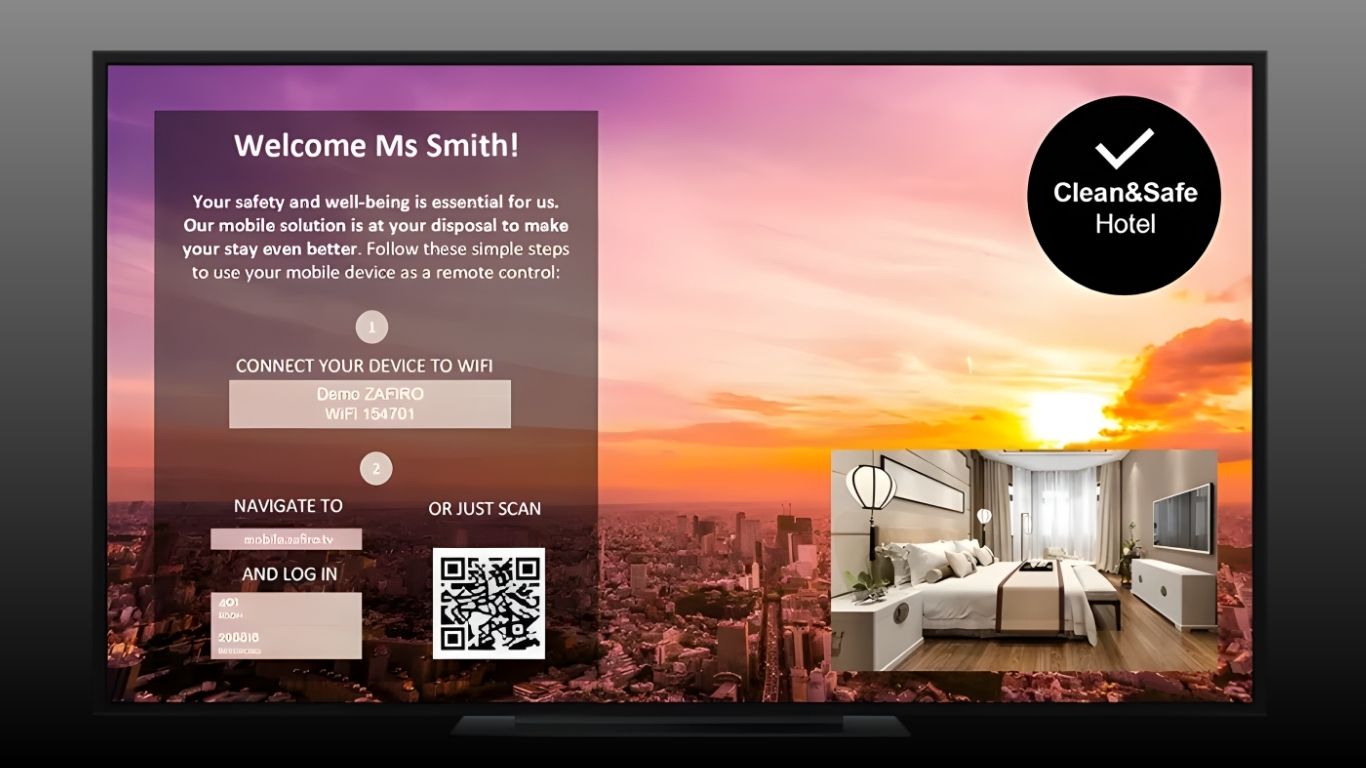
Hotels can now give guests a unique experience with IPTV. They can send welcome messages and suggest shows. Guests get to choose from lots of Hotel TV Systems and Hospitality TV Solutions. They can watch live TV, on-demand shows, and even stream their own stuff.
Enhanced Viewing Options
IPTV Streaming for Hospitality has changed how guests watch TV in hotels. They can enjoy high-definition and 4K shows in their rooms. Smart tech lets them pause, rewind, and start again easily.
| |
| Personalised Content Recommendations | Enhances guest satisfaction and loyalty by catering to individual preferences |
| Seamless Integration with Hotel Systems | Enables a cohesive and streamlined guest experience |
| Extensive On-Demand Library | Provides guests with a diverse range of entertainment options |
Hotels that use IPTV offer a better guest experience. They feel more comfortable, convenient, and special. This makes hotels stand out in a crowded market.
“IPTV has revolutionised the way guests interact with entertainment in hotels, creating a seamless and personalised experience that truly sets us apart.”
– John Smith, Director of Guest Experience, XYZ Hotel
IPTV’s Impact on Resort Amenities
IPTV has changed how resorts offer amenities, making stays better for guests. It lets resorts add more entertainment and services easily. This makes the stay more fun and connected for everyone.
Entertainment Beyond the Room
IPTV lets resorts offer more entertainment than just in-room TV. Guests can use virtual concierge services, book spa treatments, and make dining reservations. They can also watch live TV, movies, and special shows easily.
Integration with Other Services
- Seamless Spa Booking: Guests can book spa treatments and manage appointments easily with IPTV.
- Dining Reservations: Guests can make reservations, check menus, and pre-order meals with IPTV.
- Activity Scheduling: Guests can find and book activities like fitness classes and excursions with IPTV.
By using IPTV, resorts make stays more connected and fun. Guests get to enjoy entertainment, services, and convenience all in one. This makes their holiday unforgettable.
Airlines Embracing IPTV Solutions
The airline industry has quickly adopted IPTV Streaming for Hospitality. This has changed the in-flight entertainment for passengers. Now, airlines use Interactive Hotel TV to offer a more engaging and personal experience for travellers.
In-Flight Entertainment Innovations
Old days of limited content and outdated screens are gone. IPTV solutions bring a wide range of entertainment to flights. Passengers can enjoy the latest movies, TV shows, live news, and sports in high-definition and surround sound.
Passenger Engagement Strategies
IPTV Streaming for Hospitality helps airlines connect better with passengers. Passengers can now personalise their entertainment, choosing content they like. This makes the experience better and builds brand loyalty.
Airlines also use IPTV to share real-time information. This includes flight updates, destination guides, and interactive maps. It keeps passengers informed and entertained during their flight.
| | |
| British Airways | Interactive Hotel TV | Personalised entertainment, real-time flight information, and enhanced passenger engagement |
| Emirates | IPTV Streaming for Hospitality | Vast content library, high-definition displays, and seamless integration with onboard services |
| Lufthansa | Interactive Hotel TV | Improved efficiency, cost savings, and enhanced passenger satisfaction |
The airline industry is evolving, and IPTV solutions are key to better passenger experiences. By using these technologies, airlines can stand out in a competitive market. They meet the needs of modern travellers.
IPTV vs Traditional Cable Systems
In the fast-changing hospitality world, choosing between IPTV and traditional cable is key. Hotels, resorts, and airlines need seamless connectivity and tailored entertainment. IPTV is now a top choice over traditional cable.
Cost-Efficiency Advantages
IPTV for Hotel IPTV and IPTV for Hotels is cheaper. It needs less money upfront because it uses existing IP networks. Also, keeping it running and updating content is easier, saving money for Hospitality TV Solutions.
Flexibility in Content Delivery
IPTV stands out for its flexibility in content delivery. Hotels, resorts, and airlines can change their content easily. This meets guests’ changing tastes. It makes the guest experience better with more on-demand, live, and interactive content.
| | |
| Upfront Costs | Lower | Higher |
| Ongoing Maintenance | More Manageable | More Expensive |
| Content Customisation | Highly Flexible | Limited |
| Interactivity | Enhanced | Restricted |
By choosing Hotel IPTV, IPTV for Hotels, and new Hospitality TV Solutions, providers save money. They also give guests a better, more personal experience. This boosts customer happiness and loyalty.
Personalisation Through IPTV
In the fast-changing world of hospitality, IPTV (Internet Protocol Television) is changing how hotels, resorts, and airlines connect with guests. It offers a big plus: making experiences personal to each guest’s taste and needs.
Tailored Recommendations for Guests
With Smart Hotel TVs and IPTV Services for Hospitality, hotels can use smart data to know what guests like to watch. This lets them suggest shows and movies that guests will enjoy, making their stay more special.
Localised Content Offerings
IPTV also means hotels can show content that fits each guest’s home culture. This includes local news, shows, and even channels in different languages. It makes guests feel at home, improving their stay.
“IPTV has empowered hospitality providers to deliver a level of personalisation that was previously unattainable. By understanding and catering to the unique needs of each guest, they are able to create truly memorable experiences that drive loyalty and repeat business.”
Personalisation through IPTV does more than just make guests happy. It can also help hotels make more money and keep guests coming back. By giving guests content they’ll love, hotels can keep them watching longer and coming back for more.
As the hospitality world keeps growing, IPTV’s role in making experiences personal will grow too. Hotels, resorts, and airlines that use this tech will stay ahead. They’ll meet the needs of smart travellers and become the top choice for them.
Future Trends in IPTV for Hospitality
The hospitality industry is changing fast, and IPTV is playing a big role. Two trends are set to change how hotels and airlines use IPTV. These changes will improve the guest experience.
Increased Adoption of Smart Devices
More guests are using smart devices like phones and tablets. This means they want to control their room and access services from these devices. It’s making the guest room feel more like home.
Cloud-Based IPTV Solutions
Cloud-based IPTV solutions are becoming popular. They offer more flexibility and lower costs. Hotels can now offer more tailored content to their guests.
These trends are shaping the future of hospitality. With more smart devices and cloud-based IPTV, guests will get better experiences. Hotels that adapt will meet the needs of today’s travellers.
Challenges in Implementing IPTV
The hospitality industry is moving towards Hotel TV Systems and Hospitality IPTV Solutions. Overcoming the hurdles of implementation is key. This includes technical aspects and training staff, needing a smart and flexible plan. Technical Considerations
One big challenge is making sure IPTV works well with current networks. Issues like compatibility, bandwidth, and content delivery can be tough. Hotel and resort managers must check their IT setup and upgrade if needed to support IPTV.
Training Staff for New Systems
Introducing IPTV means a big change for staff. They need to learn how to use and fix the new systems. Good training is vital to ensure staff can handle the new tech and give guests a great experience. Proper training helps staff adapt quickly to IPTV.
“The successful adoption of IPTV in hospitality hinges on the industry’s ability to navigate the technical complexities and empower staff to embrace the new systems.” – Industry Expert
Hotels, resorts, and airlines can overcome these challenges. This will help them improve the guest experience and keep up with the industry. With the right planning, investment, and ongoing improvement, they can smoothly integrate IPTV and enjoy its benefits.
Conclusion: The Future of IPTV in Hospitality
As the hospitality industry grows, IPTV solutions will become more important. They offer customised, interactive, and multilingual entertainment. This has already changed how hotels, resorts, and airlines connect with their guests.
Driving Better Guest Experiences
IPTV has a big impact on hospitality. It lets service providers give guests personal and convenient options. Guests can now enjoy a seamless experience, from ordering room service to managing their bills.
Potential for Growth and Innovation
The hospitality industry is excited about IPTV’s power. With cloud-based solutions and smart devices, IPTV’s future looks bright. It will change how guests interact with their surroundings, making their stay better.
FAQ
What is IPTV and how is it transforming the hospitality industry?
IPTV stands for Internet Protocol Television. It lets you watch TV and other digital media over the internet. In hotels and resorts, it’s changing how guests enjoy their stay. They get to watch what they want, when they want, making their trip better.
What are the key benefits of IPTV adoption in hospitality settings?
IPTV is good for hotels because it saves money and makes things easier. It lets guests watch what they like, and it’s easy to update. This makes guests happier and more likely to come back.
How is IPTV enabling customised guest experiences in hotels?
Hotels use IPTV to learn what guests like. They can watch live TV, movies, and even local info. It’s all about what they want, making their stay special.
What role does IPTV play in enhancing resort amenities?
IPTV makes resorts better by giving guests more to do. They can watch TV and use resort services like booking spa treatments. It makes their stay better and more connected.
How are airlines utilising IPTV solutions for in-flight entertainment?
Airlines use IPTV to make flying better. It lets passengers watch what they like, making the flight more enjoyable. It’s all about making travel better for everyone.
What are the key differences between IPTV and traditional cable TV systems in hospitality?
IPTV is better than old TV systems because it’s cheaper and more flexible. It’s easier to update and offers more local content. This makes guests happier and more likely to return.
How does IPTV enable personalisation in hospitality settings?
IPTV lets hotels give guests what they want. It offers local content and services, making guests feel special. This makes them happier and more likely to come back.
What are the emerging trends in IPTV for the hospitality industry?
New trends in IPTV include using smart devices and cloud-based systems. These make it easier for guests to access content and services. It’s all about making things better for them.
What are some of the key challenges in implementing IPTV in hospitality settings?
Starting IPTV can be tricky. It needs to work with what you already have and can be hard to set up. Training staff is also key to making it work well.
Iptv Uk Providers
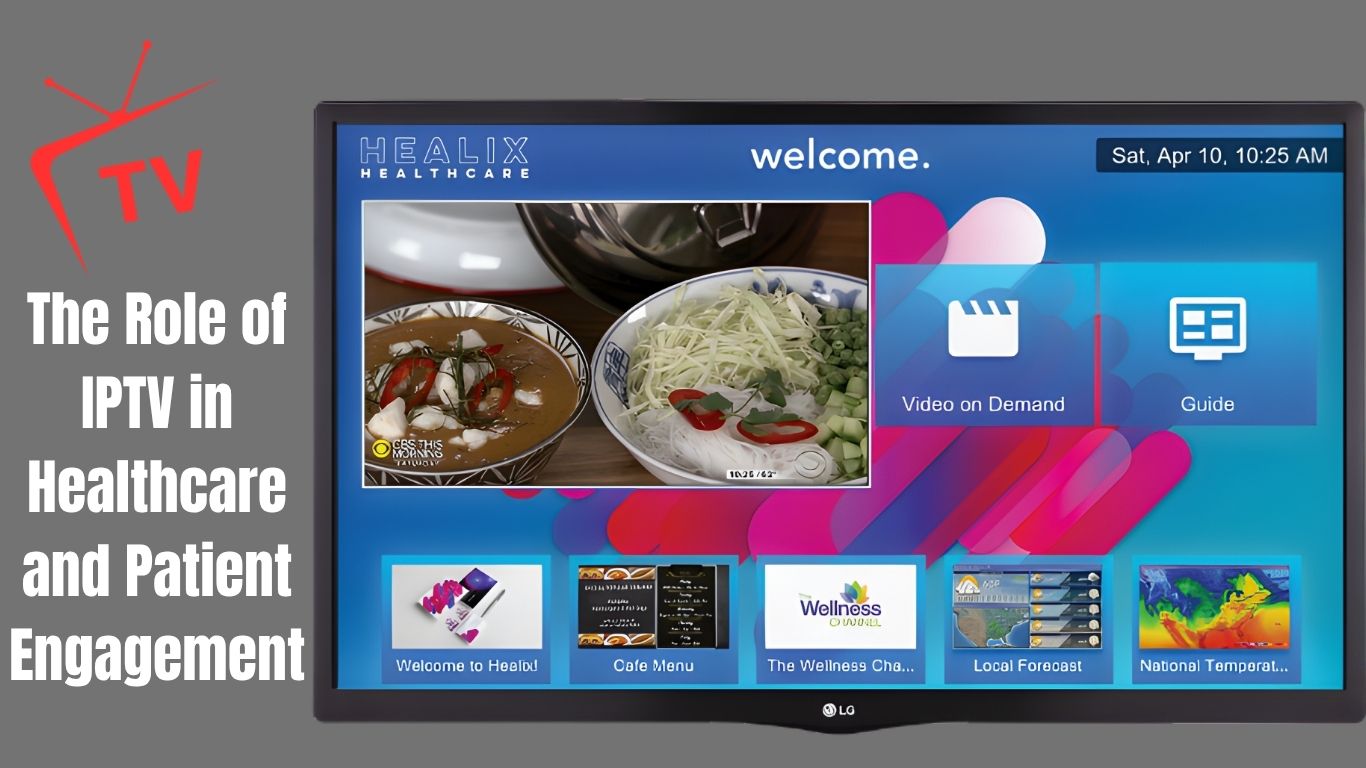
The Role of IPTV in Healthcare: In today’s fast-changing healthcare world, IPTV (Internet Protocol Television) is making a big difference. It’s changing how patients interact with medical services and their overall healthcare experience. The UK’s healthcare is moving towards being more digital and focused on the patient. IPTV is key in making patients happier, improving communication, and making healthcare smoother across the country. IPTV is very flexible and fits well into the digital hospital setup. It brings many benefits beyond just watching TV. It helps with real-time updates, virtual doctor visits, and keeping an eye on patients from afar. This makes it easier for patients and doctors to connect, leading to better health and a more enjoyable experience for patients.
Key Takeaways
- IPTV technology is transforming healthcare delivery in the UK, enhancing patient engagement and experiences.
- IPTV enables real-time updates, virtual consultations, and remote monitoring, fostering stronger connections between patients and healthcare providers.
- The integration of IPTV in digital hospitals contributes to improved health outcomes and a more patient-centric healthcare system.
- IPTV’s versatility allows it to seamlessly integrate into the modern healthcare environment, offering a range of benefits beyond traditional television entertainment.
- The UK’s healthcare system is embracing IPTV as a key component in its digital transformation, positioning it as a strategic tool for enhancing patient satisfaction and streamlining healthcare delivery.
Introduction to IPTV in Healthcare
The healthcare world is changing fast, thanks to new technologies. IPTV (Internet Protocol Television) is one big change. It’s making hospitals better at caring for patients and working more efficiently.
What is IPTV?
IPTV sends TV over the internet, not through old-fashioned broadcast or cable. In hospitals, it lets them show lots of digital stuff on TVs or devices. This makes patient care better.
Benefits of IPTV in the Healthcare Sector
IPTV is bringing lots of good things to healthcare. It’s great for IPTV in healthcare, telemedicine, and digital hospital settings. Here are some of the main benefits:
- It helps patients learn more and get involved in their care.
- It makes it easier for patients and doctors to talk and share updates.
- It adds more fun and comfort for patients, based on what they like.
- It helps staff learn and talk to each other better.
- It lets more people get healthcare services, like telemedicine.
- It offers content and features that meet different patient needs.
Using IPTV, healthcare places can make patients happier, care better, and work more smoothly. This helps build a more digital hospital world.
Enhancing Patient Education through IPTV
Hospitals and clinics are using IPTV to change how patients experience care. IPTV helps by making patient education better. It gives patients easy access to health workshops and seminars, helping them take charge of their health.
Informative Programming for Patients
IPTV in healthcare offers a wide range of educational content. Patients can watch videos about common health issues and treatments. They can also learn about managing chronic diseases.
This educational content helps patients understand their health better. It also improves communication between patients and their doctors.
Access to Health Workshops and Seminars
IPTV also lets healthcare providers offer live telehealth services and virtual workshops. Patients can join in on topics like nutrition, exercise, stress management, and mental health. This makes them more involved in their health.
Having easy access to these educational resources improves patient education. It leads to better health outcomes for everyone.
| |
| Informative programming | Improves patient understanding of medical conditions and treatments |
| Access to health workshops and seminars | Enhances patient engagement and promotes better health outcomes |
| Tailored content and virtual services | Fosters effective healthcare communication and telehealth services |
Using IPTV, healthcare providers can make patients more informed and empowered. This leads to better patient education and healthcare results.
Improving Communication between Patients and Providers
In today’s fast-changing healthcare world, talking well between patients and doctors is key. The use of IPTV (Internet Protocol Television) in UK hospitals has made this easier. It helps in giving care that focuses on the patient.
Real-Time Updates and Notifications
IPTV lets doctors send updates and alerts to patients right away. Patients get reminders for appointments and results of tests on their IPTV screens. This makes patients more involved and helps them not miss appointments. Patient Feedback and Engagement
IPTV also lets patients talk back to doctors. They can fill out surveys, rate their care, and even chat with doctors online. This makes patients more active in their health care.
UK hospitals are changing how they talk to patients with IPTV. They’re building stronger bonds and improving health care results.
IPTV in Patient Rooms: Enhancing Comfort
Hospitals are now using new technologies to change how patients feel. Interactive Patient Television (IPTV) is a big change. It makes patient rooms more comfortable, which helps patients feel better and recover faster.
Entertainment Options for Patients
Being in the hospital can be dull and lonely. But IPTV brings fun back. It has lots of movies, TV shows, educational stuff, and games. This makes patients feel less bored and more at home.
Personalised Viewing Experiences
IPTV is more than just fun. It lets patients pick what they want to watch and how they want to watch it. They can even use their own streaming services. This makes their stay feel more like their own space.
As hospitals get more into digital hospital tech, IPTV is key. It makes hospitals feel more like home. IPTV is helping make care more focused on the patient’s whole well-being.
The Role of IPTV in Telemedicine
IPTV is changing healthcare by making telemedicine better. It uses virtual consultations and remote monitoring. This makes healthcare more accessible and changes how patients and doctors work together.
Virtual Consultations and Remote Monitoring
IPTV helps patients and doctors have virtual meetings. This means patients can talk to doctors without leaving home. It’s great for managing long-term health issues or follow-up visits.
Also, IPTV lets patients track their health at home. They can send this data to doctors. Doctors can then check on patients and make better care plans.
Reducing Barriers to Healthcare Access
- IPTV is great for people in remote or hard-to-reach areas. It makes healthcare easier to get.
- It removes the need to travel. So, patients can get care no matter where they are.
- It’s also good for those who can’t easily get around. The elderly, for example, can get care without leaving home.
IPTV is becoming more important in healthcare. It’s making care more accessible and efficient. It’s changing how patients and doctors work together for the better.
Boosting Healthcare Staffing Efficiency with IPTV
In the fast-paced world of healthcare, making staff work better is key to great patient care. Luckily, IPTV is changing how healthcare groups train, grow, and talk to each other. This leads to a more efficient and cost-effective healthcare team.
Staff Training and Development
IPTV is vital for better training and growth for healthcare staff. It gives them access to a big library of videos, live workshops, and e-learning. This lets staff learn at their own pace, keeping them current with new skills and knowledge.
This way, healthcare workers can always improve, leading to better care for patients.
Streamlining Internal Communications
IPTV is also great for making communications inside healthcare teams smoother. Hospitals can share news, updates, and live info easily with staff everywhere. This smart way of working makes sure everyone gets the info they need fast.
By using IPTV, healthcare places can make their teams more efficient. This helps them give top-notch care and achieve better health results.
Customising IPTV Content for Diverse Patient Needs
In the digital hospital setting, giving patients a personal touch is key. IPTV technology helps by offering content and features that fit each patient’s needs.
Multilingual Support and Accessibility
IPTV in UK hospitals supports many languages. This means patients can watch educational and fun content in their own language. It also has features like closed captions and high-contrast modes for those with visual or hearing issues.
Tailoring Content for Different Age Groups
Hospitals use IPTV to meet the needs of all ages. Young patients get fun videos and games to keep them entertained. Older patients enjoy educational shows and gentle exercises to keep them engaged and healthy.
| |
| Children and Adolescents | - Educational videos
- Interactive games
- Age-appropriate entertainment
|
| Older Adults | - Patient education programmes
- Gentle exercise routines
- Nostalgia-inducing content
|
By tailoring IPTV content, hospitals can better educate and communicate with patients. This makes the digital hospital a welcoming place for everyone, regardless of age or background.
“Adapting IPTV content to the unique needs of our patients has been a game-changer in improving their overall experience and engagement with the healthcare system.”
– Healthcare Administrator, UK National Health Service
IPTV and Mental Health Support
IPTV is now more than just a way to engage patients. It’s a key tool for mental health support in healthcare. It lets providers offer a wide range of relaxation and therapy content. They can also create special areas for community activities.
Providing Relaxation and Therapeutic Content
IPTV in healthcare can show many types of calming and therapeutic content. This includes nature documentaries, meditation, and wellness workshops. It helps patients manage stress, be more mindful, and feel better emotionally.
This approach helps patients take charge of their recovery. It makes their healthcare experience better and more engaging.
Creating Spaces for Community Engagement
- IPTV helps build a community in healthcare places. It lets patients connect and support each other.
- It includes virtual support groups, forums, and workshops. Patients can share, learn, and make friends.
- These features improve mental health and make healthcare services better.
Using IPTV, healthcare groups can support mental health in a new way. They empower patients to focus on their well-being. They also build a community that helps in recovery.
The Future of IPTV in Healthcare
The healthcare sector is changing fast, and IPTV (Internet Protocol Television) is becoming more important. With telemedicine, digital hospitals, and smart healthcare, IPTV will be key in patient care and engagement.
Emerging Technologies and Trends
New technologies like AI and IoT are changing healthcare. These will change how IPTV is used in digital hospitals. For example, AI can give patients tailored content and updates. IoT devices can work with IPTV to check patient health and help with remote visits.
Potential Challenges and Solutions
- Cybersecurity is a big worry. With more connections, keeping patient data safe is crucial.
- It’s important for IPTV to work well with other health tech. This will help use these new tools better.
- Getting patients and staff to use IPTV is key. Easy-to-use systems and training are needed.
To tackle these issues, healthcare and tech must work together. They need to focus on keeping data safe, making systems work together, and making IPTV easy to use. This will make care better, more efficient, and focused on the patient.
“The future of IPTV in healthcare lies in its ability to seamlessly integrate with emerging technologies and address the diverse needs of patients and healthcare professionals.” Case Studies: Successful IPTV Implementations
IPTV (Internet Protocol Television) is becoming more popular in healthcare. It’s especially seen in leading UK hospitals. These examples show how IPTV changes patient care, staff work, and healthcare delivery.
Examples from UK Hospitals
The Royal Brompton Hospital in London is a great example. They’ve added IPTV to patient care. Now, patients can watch educational shows to learn about their health.
They also use IPTV for updates. This keeps patients in the loop about their treatment and upcoming events.
The Queen Elizabeth Hospital in Birmingham is another success story. IPTV helps staff get updates and training quickly. It also lets patients choose their entertainment, making their stay more comfortable.
Lessons Learned and Best Practices
These UK hospitals have shared important lessons and best practices for using IPTV:
- Focus on patient education and engagement for the best IPTV benefits
- Link IPTV with hospital systems for better communication and workflow
- Provide a variety of content and personalisation to meet patient needs
- Invest in strong infrastructure and technical support for smooth IPTV use
- Keep gathering feedback and track usage to improve IPTV over time
These UK hospital successes show IPTV’s huge potential in healthcare. It can improve patient care and staff work. As more healthcare providers look into IPTV in healthcare, digital hospital, and smart healthcare, these examples are very helpful.
Conclusion: The Impact of IPTV on Healthcare Outcomes
IPTV has made a big difference in the UK’s healthcare. It makes patients happier and more involved. With IPTV, patients get to watch educational videos, enjoy shows, and talk to doctors easily. This technology is changing how patients feel about their care.
Enhancing Patient Satisfaction and Engagement
Studies show IPTV makes patients happier in hospitals. A study found patients love having health info at their fingertips. They also like being able to talk to doctors in real time. This makes patients feel more in control of their health.
Future Directions for IPTV in the UK Healthcare System
IPTV is set to get even better in the UK’s healthcare. It will work with new tech like remote monitoring and online doctor visits. This will make care easier to get and improve how patients and doctors work together. By making IPTV fit for all patients, the UK can make healthcare better for everyone.
FAQ
What is IPTV and how is it used in healthcare?
IPTV, or Internet Protocol Television, delivers TV content over the internet. In healthcare, it boosts patient engagement and improves communication. It also makes operations smoother in medical settings.
How does IPTV improve patient education?
IPTV in healthcare gives patients access to educational videos and workshops. This helps them understand their health better. It empowers them to take a more active role in their care.
What are the benefits of IPTV in enhancing patient-provider communication?
IPTV keeps patients updated with real-time notifications. It also helps in patient feedback. This improves the quality of care provided.
How does IPTV improve the patient experience in hospital rooms?
IPTV in patient rooms offers entertainment like movies and TV shows. It makes patients more comfortable and satisfied during their stay. This creates a positive environment for healing.
What role does IPTV play in telemedicine and remote healthcare services?
IPTV supports telemedicine by enabling virtual consultations. It helps patients in remote areas access healthcare easily. It also makes healthcare more efficient.
How can IPTV boost healthcare staff efficiency and training?
IPTV is used for staff training and internal communications. It improves staff competency and productivity. This benefits patient care overall.
How does IPTV content cater to the diverse needs of patients?
IPTV content in healthcare is tailored for different patients. It includes multilingual support and age-appropriate programming. This ensures inclusive communication and enhances the patient experience.
What role does IPTV play in supporting mental health initiatives?
IPTV provides relaxation and therapeutic content. It also fosters community engagement. These features support mental health initiatives and improve patients’ well-being.
Iptv Uk Providers
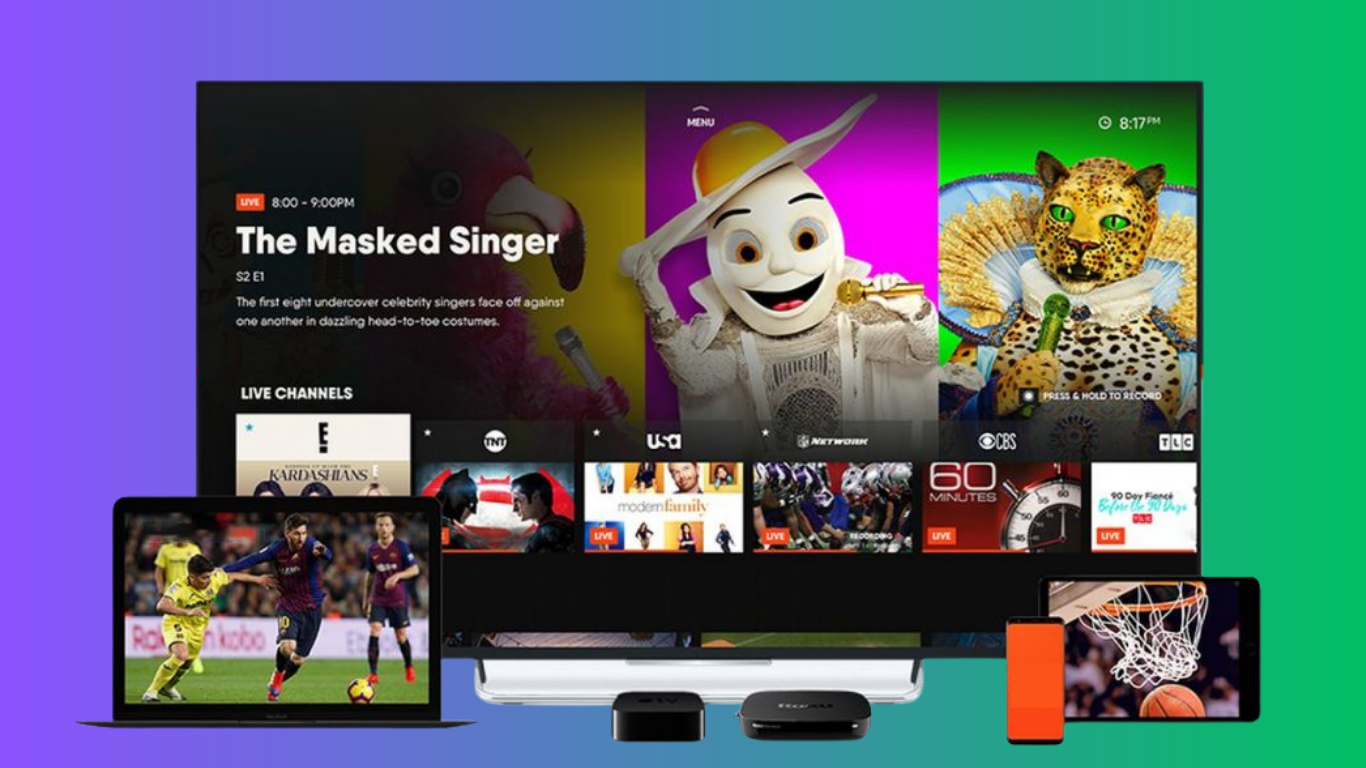
In today’s fast-changing education world, IPTV is making a big difference. It’s changing how schools and universities share learning materials across the UK. Now, students can watch lectures and events live on their devices. More schools are using e-learning platforms because students want to learn anywhere, anytime. IPTV lets them do just that. It makes learning fun and easy to get to, no matter where you are.
Key Takeaways
- IPTV has transformed the way educational content is delivered in the UK, enabling institutions to stream lectures, events, and a wealth of educational resources.
- The integration of IPTV technology has helped universities and schools meet the growing demand for flexible, on-the-go access to educational materials.
- IPTV offers an immersive and engaging learning experience, catering to the diverse needs and preferences of today’s digitally-savvy students.
- The adoption of IPTV in educational settings has the potential to revolutionise the way students learn and interact with course content.
- IPTV technology provides educational institutions with the opportunity to enhance remote learning and support students with different learning styles.
Understanding IPTV and Its Benefits for Education
Internet Protocol Television (IPTV) is changing education, offering new ways to learn. We’ll explore what IPTV is and its benefits for schools.
What is IPTV?
IPTV sends TV content over the internet, not through traditional TV channels. It uses digital networks to stream content to devices. This makes watching TV more personal and interactive.
Advantages of IPTV in Educational Settings
IPTV brings many benefits to schools, making it a top choice for learning. Key advantages include:
- Students can watch educational content whenever they want, making learning more flexible.
- High-quality video and audio streaming ensure a great learning experience.
- Interactive features like polls and chats help students get involved and learn together.
How IPTV Enhances Learning Experience
IPTV changes how we learn in schools. It makes classrooms more engaging and helps students understand better. Here’s how:
- It allows students to watch live lectures from anywhere, supporting online learning.
- Interactive features like polls and Q&A sessions keep students engaged and active.
- Teachers can tailor content to fit different learning styles, making education more personal.
IPTV is getting better, and it’s changing education. It promises a more exciting and interactive way to learn.
Key Features of IPTV for Educational Institutions
IPTV systems are changing how schools and universities learn. They offer features that meet the needs of students and teachers. This makes learning better and more fun.
Live Streaming of Lectures
IPTV lets schools stream lectures live. This means students can learn from home, even when they can’t be there in person. It’s great for when the weather is bad or there’s a pandemic.
It also lets schools share special lectures with more people. This makes learning more open and available to everyone.
Video on Demand (VoD) for Flexibility
IPTV also has video-on-demand (VoD). This lets students watch lectures whenever they want. They can learn at their own speed or catch up on classes they missed.
VoD is perfect for flipped classrooms. Students watch videos before class. This makes class time more valuable and focused.
Interactive Features for Student Engagement
IPTV is not just for watching videos. It has interactive tools to get students involved. Schools can use interactive whiteboards and digital signs to make learning fun.
Students can take part in polls and quizzes. This makes learning active and exciting. It helps students stay interested and involved.
IPTV is a game-changer for schools. It makes learning flexible, fun, and accessible for everyone.
Implementing IPTV in Schools and Universities
Institutions are looking to improve their campus broadcasting and smart campus solutions. They are turning to IPTV technology as a key solution. To make IPTV work well in schools and universities, a careful plan is needed. This ensures everyone gets the most out of it.
Steps for Effective Implementation
Getting IPTV up and running in schools and universities needs a solid plan. First, check what technology you already have. Then, see if you need to upgrade or add anything to use IPTV. This might mean better network speeds, new equipment, or making sure everything works together.
Required Infrastructure and Technology
An IPTV system for schools and universities needs a few main things. You’ll need a good way to deliver content, strong media servers, and devices like smart TVs or tablets. It’s also important to think about how the system will grow with your needs. This is especially true for campus broadcasting and smart campus solutions.
Training Staff and Students
For IPTV to work well, everyone needs to know how to use it. Teachers and staff need to learn how to manage the system and fix problems. Students should also know how to find and use educational content on the IPTV platform.
| |
| Assess Existing Infrastructure | Ensures compatibility and smooth integration of the IPTV system |
| Invest in Reliable Hardware and Software | Provides a robust and scalable IPTV platform for campus broadcasting and smart campus solutions |
| Comprehensive Training for Staff and Students | Empowers users to effectively leverage the IPTV system for enhanced learning experiences |
By following these steps and meeting these needs, schools and universities can set up a great IPTV technology system. This will help improve campus broadcasting and smart campus solutions. It will make learning better for everyone.
Enhancing Remote Learning with IPTV
In today’s world, learning from home is key. Internet Protocol Television (IPTV) is becoming a big help. It meets the needs of both students and teachers.
Integrating IPTV into Online Courses
IPTV works well with online learning tools. It lets teachers share top-notch educational videos. Students can watch live or recorded lessons from home, making learning fun and real.
Benefits for Distance Education
For those learning from afar, IPTV is a game-changer. It lets students watch educational videos whenever they want. This helps everyone learn at their own speed, making sure no one gets left out.
Supporting Students with Different Learning Styles
IPTV has features for all kinds of learners. It has videos for those who like to see things and audio for those who prefer to listen. This makes learning fit each student’s way of learning.
Using IPTV, schools can make learning from home better. It makes learning fun, flexible, and for everyone. As technology grows, IPTV is changing how we learn from home.
Case Studies: Successful IPTV Implementations
IPTV has changed how students and teachers watch lectures and events in schools. Many UK universities have started using IPTV. They see how it can make learning better.
Renowned UK Institutions Embracing IPTV
Universities like the University of Cambridge, the University of Oxford, and Imperial College London are leading the way. They use IPTV for live lectures, videos, and campus news. This connects everyone in the academic world.
Student and Faculty Feedback
Students and teachers love IPTV. They say it makes learning easier and more flexible. Teachers say it helps students get involved more in class.
Measuring Success and Outcomes
Success with IPTV is seen in many ways. For example:
- Students are happier and more involved.
- They do better in exams and learn more.
- It helps students with different needs or ways of learning.
- It saves money and is more efficient.
“IPTV has revolutionised the way we deliver lectures and engage with our students. The flexibility, interactivity, and accessibility it offers have been truly game-changing for our institution.”
– Professor Jane Smith, Head of Department, University of Cambridge
Challenges and Solutions in Using IPTV
IPTV technology offers many benefits for schools and universities. Yet, it also brings its own set of challenges. Institutions must overcome these obstacles to make IPTV work well.
Common Obstacles Educational Institutions Face
One big problem is making IPTV work with old IT systems. Schools and universities need to make sure their networks can handle video streams. They also face issues with training staff and students to use IPTV.
Technical Challenges and Solutions
Technical issues like latency and poor video quality can be a problem. To fix these, schools need better networking gear and servers. Regular checks and fixes are key to keeping IPTV running smoothly.
Ensuring Content Accessibility
- It’s important to make sure IPTV is accessible for all students. Schools must follow accessibility standards, like closed captions and audio descriptions.
- Working with accessibility experts and using universal design can make IPTV more inclusive for everyone.
By tackling these challenges and finding good solutions, schools can use IPTV to its fullest. This can make learning more engaging and accessible for all students.
Cost-Benefit Analysis of IPTV for Schools
When schools think about using IPTV, they need to do a cost-benefit analysis. They should look at the upfront costs, long-term savings, and funding options. This helps them decide if IPTV fits their budget and goals.
Initial Investment Considerations
The cost to start using IPTV in schools can change a lot. It depends on the school’s size, current setup, and what features they want. Schools have to think about the cost of hardware like servers, set-top boxes, and digital signs. They also need to consider software costs, maintenance, staff training, and how it will work with their systems.
Long-term Savings and Benefits
Even though IPTV costs money at first, it can save schools a lot in the long run. It makes delivering content easier and reduces the need for physical stuff. This can save money on printing, travel, and storing things. Plus, IPTV can make learning better and keep students more interested, which can help the school’s reputation and attract more students.
Funding Options and Grants
- UK schools might get money from the government to help with IPTV and other smart campus projects.
- The UK Department for Education has funds like the Condition Improvement Fund (CIF) and the Expand and Enhance programme. These can help pay for IPTV.
- Organisations like Jisc help schools find money for digital projects, including IPTV and digital signage.
By looking at the costs and benefits, and finding funding, schools can make a good case for using IPTV. It’s part of their smart campus solutions and IPTV in Educational Institutions.
Content Creation for IPTV in Education
As schools use IPTV services more, making great content is key. It needs teamwork between teachers and creators. This ensures the content is both engaging and effective.
Types of Educational Content for IPTV
There’s a wide range of content for IPTV, like live lectures and interactive shows. Educators can use IPTV to make learning fun and interactive for students.
Collaboration with Educators and Content Creators
For IPTV to work well in schools, teachers and creators must work together. Teachers know the subject and what students need. Creators have the skills to make the content. Together, they make sure the content fits the curriculum and interests students.
Importance of High-Quality Production
The quality of IPTV content matters a lot. Good video and sound, along with interesting visuals, make learning better. Using top-notch production can really make IPTV content stand out.
“Delivering high-quality educational content through IPTV is essential in creating immersive and memorable learning experiences for students.”
By focusing on creating great content and using IPTV, schools can offer better learning experiences. This makes learning more fun and effective.
Future Trends of IPTV in Education
The education sector is changing fast, and IPTV technology is playing a big role. New innovations and the use of artificial intelligence are set to make learning environments even better.
Emerging Technologies and Innovations
New technologies are changing how IPTV is used in schools. Some exciting trends include:
- Advancements in 5G and 6G networks, making IPTV streaming faster and more reliable
- Cloud-based IPTV platforms becoming more popular, offering flexible solutions for schools
- Augmented reality (AR) and virtual reality (VR) being used to make learning more immersive
- Artificial intelligence (AI) in IPTV systems that tailor content for each student
Predicting Changes in Learning Environments
IPTV is set to change traditional learning spaces. We can expect:
- IPTV becoming a key part of smart campus solutions, making learning more connected
- IPTV being used more for remote and hybrid learning, offering flexible education
- IPTV-based e-learning platforms growing to meet the demand for digital content
The Role of Artificial Intelligence
Artificial intelligence (AI) will be crucial for IPTV in education. AI can:
- Study how students learn and tailor content for them
- Automate making educational videos, ensuring they are high-quality and relevant
- Make IPTV more interactive, allowing for real-time feedback and adaptive learning
As IPTV technology advances, education is embracing these changes. This is making learning more engaging, personal, and accessible. The future of IPTV in education looks bright, promising a more dynamic and tech-driven learning environment.
Legal Considerations for IPTV Use in Education
As schools start using IPTV in Educational Institutions, knowing the law is key. They must deal with copyright, licensing, and data protection. These are important when streaming videos for learning.
Copyright Issues with Educational Content
Teachers need to make sure they have the right to use copyrighted materials. This includes videos, audio, and texts. They must check the terms and agreements to avoid legal trouble.
Licensing for Streaming Services
Schools must carefully look at the IPTV service’s licensing agreements. They need to know how content can be used, who can watch it, and where it can be shared. Talking to the service providers is crucial to stay legal and avoid risks. Compliance with Data Protection Regulations
Using IPTV in schools must follow data protection laws, like the GDPR in the UK. Schools must protect student and teacher data. This includes personal info, what they watch, and other sensitive data from IPTV.
| | |
| Copyright Issues | - Securing rights to use educational content
- Adhering to terms of use and licensing agreements
| - Conduct a thorough audit of all content used in IPTV lessons
- Obtain necessary permissions and licenses from copyright holders
- Educate faculty on proper use of copyrighted materials
|
| Licensing for Streaming Services | - Understanding content usage rights
- Viewer access and distribution parameters
| - Review licensing agreements with IPTV service providers
- Negotiate terms that align with educational needs
- Ensure compliance with agreed-upon licensing terms
|
| Data Protection Compliance | - Secure handling of student and faculty data
- Adherence to GDPR and other data regulations
| - Implement robust data protection policies and procedures
- Train staff on data privacy best practices
- Regularly review and update data protection measures
|
“Navigating the legal complexities of IPTV integration in education is critical to ensure a secure and compliant learning environment for students and faculty alike.”By tackling these legal issues, schools can fully use IPTV for learning. They protect the rights of creators and keep everyone’s data safe.
Building a Community around IPTV
In today’s fast-changing digital world, IPTV (Internet Protocol Television) can transform education. Schools and universities can build a lively community around IPTV. This is done by engaging students and staff, encouraging teamwork, and hosting events and webinars. This way, IPTV becomes a key part of a dynamic learning space.
Engaging Students and Faculty
For IPTV to succeed in schools, students and staff must be involved. Institutions should make everyone feel like they own the IPTV system. This can happen through regular feedback, student-made content, and interactive broadcasts. These activities make everyone more engaged with IPTV.
Encouraging Collaboration and Feedback
IPTV is great for teamwork and getting feedback. Schools can use IPTV for group talks, workshops, and projects. This lets students and staff share their thoughts and ideas. By listening to feedback, schools can make IPTV better for everyone.
Hosting Educational Events and Webinars
IPTV is perfect for educational events and webinars. Schools can stream live lectures and talks, even for those who can’t be there. These can also be saved for later, making learning more accessible. IPTV helps schools build a strong community of learners, connecting everyone with educational resources.
Conclusion: The Future of IPTV in Education
Internet Protocol Television (IPTV) is changing education in the UK. It brings live streaming, on-demand content, and interactive features. This helps teachers give students engaging, accessible, and tailored learning experiences.
Recap of Key Benefits and Insights
IPTV is making a big difference in schools. It allows for remote learning and makes classroom time better. It also helps with group projects and gives students easy access to learning materials.
Encouraging Educators to Embrace IPTV
Teachers need to use new tech like IPTV. It opens up new ways to teach and engage students. With training and teamwork, schools can use IPTV to improve learning.
Final Thoughts on Streaming Education
The future of learning is linked to streaming tech like IPTV. As learning needs change, UK schools must use IPTV to stay ahead. By using IPTV, schools can offer better learning experiences and prepare students for today’s world.
FAQ
What is IPTV and how can it benefit educational institutions?
IPTV stands for Internet Protocol Television. It delivers TV content and multimedia over the internet. In schools, it makes learning better by streaming lectures live and offering videos on demand. It also has interactive tools to get students more involved.
What are the key features of IPTV for educational institutions?
IPTV for schools includes live lectures, videos you can watch anytime, and tools like quizzes and polls. These features help students learn together and get more involved in class.
How can IPTV improve remote and distance learning?
IPTV makes online learning better by fitting well with online courses. It offers videos anytime and supports different learning ways. This makes learning more accessible and effective for students who can’t be in class.
What are the common challenges faced when implementing IPTV in educational institutions?
Challenges include making sure everyone can access content, dealing with technical problems, and getting people used to new technology. But, with good planning, better infrastructure, and training, these issues can be solved.
How can educational institutions ensure the successful implementation of IPTV?
Schools should think about what they need, train staff, pick the right content, and keep the system running smoothly. Working with experienced IPTV providers can also help a lot.
What are the legal considerations for using IPTV in educational settings?
Schools must think about copyright, streaming service licenses, and data protection laws when using IPTV. Getting legal advice and making sure they have the right licenses is key to using IPTV legally.
How can educational institutions build a vibrant community around IPTV?
Schools can get everyone involved by encouraging teamwork and feedback. Hosting events and webinars that use IPTV’s interactive features helps build excitement and a sense of community around the technology.
Iptv Uk Providers

IPTV, or Internet Protocol Television, has changed how we watch media. It’s made watching TV easier and more accessible. But, it’s also led to a big problem: IPTV piracy. This issue is complex, mixing the rights of creators with what viewers want.
Questions about intellectual property and fair use are at the core of this debate. IPTV piracy is a big worry for networks and content makers. It affects not just the law but also the future of entertainment and the people who make it.
Key Takeaways
- IPTV piracy has raised complex ethical questions about the value of intellectual property and fair use in the digital age.
- The practice of unauthorised content distribution has significant consequences for the entertainment industry, content creators, and consumers.
- Understanding the technology and legal implications of IPTV piracy is crucial in navigating this evolving landscape.
- Balancing consumer desires with the needs of the industry is essential in finding sustainable solutions to this ethical dilemma.
- Educating the public and promoting responsible streaming practices are key to addressing the challenges posed by IPTV piracy.
Understanding IPTV and Its Popularity
In today’s world, streaming services have changed how we watch entertainment. IPTV, or Internet Protocol Television, is at the heart of this change. It brings TV content over the Internet. Its growing popularity shows how it’s changing how we watch TV.
What Is IPTV?
IPTV uses the Internet to send TV shows. It lets viewers watch what they want, when they want. This is different from old TV ways like cable or satellite.
Rise of Streaming Services
Why People Prefer IPTV
- Flexibility: IPTV lets you watch what you want, when you want. You can pause, rewind, and record shows.
- Content Variety: IPTV has lots of live channels, movies, and TV shows. It meets many tastes and interests.
- Cost-Effectiveness: IPTV is cheaper than cable or satellite TV. It’s great for those who want more content without spending a lot.
As more people want IPTV Piracy and streaming piracy, IPTV will keep growing. It’s changing how we enjoy entertainment online.
“The rise of IPTV has revolutionised the way we consume television, offering greater flexibility, content variety, and cost-effectiveness for modern consumers.”
Defining IPTV Piracy
IPTV piracy is a big issue in the world of digital content. IPTV means watching TV over the internet, not through traditional means. It’s important to know the difference between legal and illegal IPTV use.
What Constitutes IPTV Piracy?
IPTV piracy, or copyright infringement, happens when people watch or share TV content without permission. This includes using illegal streaming services or sharing IPTV login details. It also includes making and sharing IPTV services without a licence.
- Accessing copyrighted content through unauthorised IPTV services
- Sharing login credentials for paid IPTV services with others
- Creating and distributing unlicensed IPTV services
Legal Implications in the UK
In the UK, IPTV piracy is a serious crime. The Copyright, Designs and Patents Act 1988 and the Digital Economy Act 2017 deal with it. People caught can face fines or even jail, depending on the case.
“IPTV piracy is not a victimless crime. It undermines the entire content creation and distribution ecosystem, robbing creators and networks of rightful earnings.”– Industry Spokesperson
The laws on IPTV piracy are changing all the time. Authorities and content providers are fighting against it. As more people want streaming services, knowing the risks and laws is key.
The Appeal of IPTV Piracy
IPTV services are getting more popular, but so is the problem of illegal IPTV subscriptions. People are drawn to IPTV piracy for several reasons. These reasons make it hard for legal services to compete.
Cost-Effectiveness
One big reason for IPTV piracy is saving money. Legal streaming and cable TV are getting pricier. But, illegal IPTV subscriptions are much cheaper. This makes them attractive to those wanting lots of content without spending a lot.
Access to Exclusive Content
Another reason is getting content not available legally. Fans of special shows or international TV find IPTV piracy useful. It lets them watch content they can’t get elsewhere, making it more appealing.
| | |
| Netflix | £5.99 – £13.99 per month | Wide range of movies and TV shows, but limited access to live sports and some exclusive content |
| Amazon Prime Video | £7.99 per month or £79 per year | Extensive library of movies, TV shows, and some live sports, but limited access to certain content |
| Illicit IPTV Subscription | £5 – £20 per month | Unrestricted access to a vast array of live TV channels, on-demand content, and premium programming |
The table shows how legal streaming services and illegal IPTV subscriptions differ. It points out why people might choose the cheaper, more comprehensive option of IPTV piracy.
The Consequences of IPTV Piracy
The rise of illegal IPTV services has serious effects on users and the media industry. The promise of cheap access to lots of content is tempting. But, IPTV piracy comes with big risks and legal troubles.
Risks for Users
People using pirate IPTV services face many dangers. They could face legal action from authorities. They also risk malware, data breaches, and other cyber threats.
These illegal services don’t have the safety features of legal streaming sites.
Impact on Content Creators
IPTV piracy hurts content creators and the media world. Pirate IPTV services cut off creators’ income from real viewers. This reduces the money for making and sharing quality content.
Legal Actions Taken Against Piracy
- In the UK, law enforcement, like the Federation Against Copyright Theft (FACT), is fighting pirate IPTV. They issue warnings and make arrests.
- Worldwide, content owners and distributors work with authorities to take legal action against IPTV piracy.
- These steps aim to stop illegal IPTV services. They protect content creators and legal providers.
While IPTV piracy might seem appealing, the dangers are real. It’s wise for viewers to choose legal streaming options. This supports the content they love and the industry that makes it.
Ethical Considerations of IPTV Piracy
The debate on IPTV piracy is complex. Some say it’s a way to fight high streaming costs. Others see it as a big no-no against intellectual property rights. We need to look at what different groups in the industry think.
Is It Ever Justifiable?
Some people think IPTV piracy is okay because legal streaming is too expensive. They say it lets them watch more without spending a lot. But, they don’t think about how it hurts creators and the media world.
Perspectives from the Industry
Creators and media companies see things differently. They say piracy takes away their money, which could hurt their work. This might make the content less good and less varied for us.
“IPTV piracy is a serious threat to the sustainability of the media industry. It undermines our ability to invest in high-quality, original content that viewers deserve.”
– John Smith, Chief Executive Officer of a major media conglomerate
The debate on IPTV piracy is ongoing. Finding a way to balance what people can afford and what creators need is key.
The Technology Behind IPTV Piracy
As online video piracy grows, it’s key to know how it works. IPTV piracy uses advanced tools to break copyright laws. It lets users watch content they shouldn’t.
How IPTV Piracy Works
IPTV piracy streams TV and movies online, skipping traditional TV. Pirate IPTV uses special boxes or software. This lets them share content without permission.
Tools and Technologies Used
Pirate IPTV uses many tools to operate. These include:
- Illegal IPTV servers to host content
- VPNs to hide where streams come from
- Streaming protocols like RTMP for efficient delivery
- Systems for managing user accounts and payments
- Bots and scripts to find and add new content
These tools make pirate IPTV easy and cheap. It’s hard for authorities to stop.
| | |
| Illegal IPTV Servers | Servers used by pirate IPTV providers to host and distribute unauthorised content | Enables the storage and delivery of copyrighted material without permission |
| VPNs | Virtual Private Networks used to mask the origin of the pirated streams and avoid detection | Helps pirate IPTV providers evade law enforcement and regulatory measures |
| Streaming Protocols | Protocols like RTMP used to efficiently deliver the pirated content to end-users | Ensures a seamless streaming experience for users of pirate IPTV services |
IPTV piracy’s tech shows we need a strong plan to fight it. This plan should use both tech and law.
The Role of Legislation in IPTV Piracy
IPTV services are getting more popular, and governments are taking action. In the UK, laws aim to stop IPTV piracy and protect creators’ rights.
Current Laws in the UK
The UK’s copyright laws, like the Copyright, Designs and Patents Act 1988, ban unauthorized use of copyrighted content. If you stream or download illegal content, you could face big fines or even jail time.
The UK Government has also introduced anti-piracy measures. These include blocking websites that help with copyright infringement. This has helped reduce IPTV piracy services.
Future Legal Trends
As IPTV and streaming change, so will UK laws. There’s talk of making laws stronger to tackle new piracy methods. This might include better enforcement, more industry and law enforcement work, and new ways to protect digital content.
Finding the right balance between creators’ rights and consumer needs is tough. Policymakers will keep trying to find a fair solution. They want to support creativity and give everyone fair access to digital entertainment.
| |
- Copyright, Designs and Patents Act 1988
- Website blocking orders
- Penalties for individuals engaging in IPTV piracy
| - Strengthening legislation to address emerging technologies
- Increased collaboration between industry and law enforcement
- Exploring new legal frameworks to protect digital content rights
|
Consumer Awareness and Education
The IPTV industry is growing fast. It’s key for users to know the difference between legal and illegal streaming. Knowing the risks of IPTV piracy helps us make better choices and stream responsibly.
Identifying Legal vs Illegal Services
Finding your way in IPTV can be tricky. Illegal sites often look like real ones. To pick a legal IPTV provider, look for these signs: - Official branding and licensing information
- Transparent pricing structures and subscription models
- Availability of content through reputable channels like broadcasters and content creators
- Secure payment methods and customer support
Responsible Streaming Practices
Streaming IPTV responsibly is important for everyone. Here’s how to stream ethically:
- Choose legal streaming services with fair prices
- Be cautious of free or very cheap IPTV services, as they might be illegal
- Don’t share your IPTV login details with others
- Keep up with legal changes and trends in IPTV piracy
By being aware and streaming responsibly, we help the IPTV world grow in a good way. We support both users and creators. Let’s all work together to make IPTV better for everyone.
Alternatives to IPTV Piracy
There are legal ways for British viewers to watch their favourite TV shows, movies, and live events. Affordable streaming services and convenient subscription bundles are available. These options let you enjoy entertainment ethically, without using illegal streams.
Affordable Legal Streaming Options
Streaming platforms have changed how we watch media. Netflix, Amazon Prime Video, and Disney+ offer a huge library of content for a low monthly fee. They provide high-quality, on-demand streaming, making them a great legal choice.
Bundles and Subscription Services
For a full entertainment experience, subscription bundles are a good option. They combine many streaming services into one package. This includes popular channels, live sports, and premium content, all for a lower price than piracy.
Internet service providers and telecom companies also offer bundles. These include TV, broadband, and more, making it easy to get legal access to your favourite shows.
| | |
| Netflix | £5.99 – £15.99 | TV shows, movies, documentaries |
| Amazon Prime Video | £7.99 | TV shows, movies, Amazon originals |
| Disney+ | £7.99 | Disney, Pixar, Marvel, Star Wars, National Geographic |
| BT Sport | £15.00 | Live Premier League, UEFA Champions League, and more |
Exploring these legal alternatives, British viewers can enjoy their favourite content. They support the creative industries and avoid the dangers of piracy.
The Debate on Digital Rights and Fair Use
The digital world is changing fast, making the debate on user rights and fair use in IPTV piracy complex. Content creators and copyright holders say sharing content without permission harms their work and the industry. Users believe they should be able to use digital content fairly and reasonably.
Understanding User Rights
In IPTV, users have rights to access and use digital content. These rights are in laws like the UK’s Copyright, Designs and Patents Act 1988. It talks about “fair dealing” for personal, non-commercial use. But, it’s hard to know where these rights end when it comes to pirated IPTV content.
Fair Use Policies and IPTV
- Fair use policies let people use copyrighted material for things like research or education without asking permission.
- In IPTV, it’s tricky to tell if using pirated content is fair use or copyright infringement. This is because using unlawful content sharing is often not just for personal use.
- The argument over IPTV Piracy and fair use is ongoing. Both sides want to find a way to protect intellectual property and let people use digital content responsibly.
“The digital landscape has created new challenges in the realm of intellectual property rights, and the debate around fair use and IPTV piracy is a prime example of this complex issue.”
As the industry and lawmakers figure out these issues, it’s important for users to learn about their rights and duties. They should also respect the rights of content creators and copyright holders.
Industry Responses to IPTV Piracy
The entertainment industry is fighting back against pirate IPTV providers and illegal streaming services. They are using strong anti-piracy measures and working together. This is to protect their work and keep the legal streaming world alive.
Measures Taken by Networks
Big names in streaming are fighting IPTV piracy in many ways. They include:
- Using advanced tech like forensic watermarking to find and stop unauthorised content.
- Setting up systems to find and shut down illegal streaming sites.
- Working with internet providers and domain registrars to take down pirate IPTV sites.
Collaborations for Anti-Piracy Initiatives
The industry is also teaming up to fight IPTV piracy. They are doing things like:
- Working with police and legal teams to catch and punish those who share unauthorised content.
- Team up with social media to quickly remove illegal streaming accounts and content.
- Sharing tips and strategies with each other to improve anti-piracy efforts.
The entertainment world is always on the lookout for new ways to protect its work. They want to keep the streaming world safe and legal.
“By working together and using the latest tech, we can beat IPTV piracy. This will help the industry stay strong for the future.”
The Future of IPTV and Streaming
The world of online video is changing fast. IPTV and streaming services will see big changes soon. New trends and solutions will make accessing content easier, cheaper, and legal.
Trends That May Affect IPTV Use
Content aggregation is becoming a big trend. Streaming sites are offering bundles that meet many viewer needs. This might make IPTV less popular as legal streaming gets better and easier.
Innovations in Legal Streaming Services
Content providers are working hard to fight IPTV piracy. They’re introducing flexible pricing and improving user experience. This makes legal streaming more appealing, pushing users towards legal options.
FAQ
What is IPTV piracy?
IPTV piracy is when people watch TV shows and movies online without permission. They use Internet Protocol Television (IPTV) services to do this. It’s against the law because it breaks copyright rules.
What are the legal implications of IPTV piracy in the UK?
In the UK, IPTV piracy is a serious crime. People who sell or use illegal IPTV services could face big fines or even jail. The punishment depends on how big the crime is.
Why are people drawn to IPTV piracy?
People like IPTV piracy because it’s cheap and offers lots of content. They can watch things that are not available legally. It’s seen as a good deal because it’s affordable and easy to use.
What are the risks for users of IPTV piracy?
Using IPTV piracy can be risky. You could get in trouble with the law, face computer viruses, or have poor service. It also hurts the people who make the content and the entertainment industry.
How does IPTV piracy work?
IPTV piracy uses special software and hardware to share copyrighted content illegally. This includes modified set-top boxes and online platforms that host illegal streams.
What are the current laws in the UK regarding IPTV piracy?
In the UK, the Copyright, Designs and Patents Act 1988 stops people from sharing copyrighted content without permission. The government and police have also taken action against pirate IPTV services.
How can consumers identify legal vs. illegal IPTV services?
To tell if an IPTV service is legal, look for official logos and check if it’s licensed. Make sure the content is available on legal streaming sites. It’s safer to use legal services to avoid legal trouble.
What are the alternatives to IPTV piracy?
In the UK, there are many legal ways to stream content. You can subscribe to services like Netflix or Amazon Prime Video. There are also pay-per-view options and bundles that offer lots of content legally.
How are content creators and the industry responding to IPTV piracy?
The entertainment industry is fighting back against IPTV piracy. They use technology to stop piracy, work with police, and sue pirate providers. They also make their content cheaper and easier to find legally to stop people from using pirate services.
Iptv Uk Providers

The growth of streaming services has shaken up IPTV’s hold. The COVID-19 pandemic and better internet have helped streaming services grow. They offer on-demand content and tailored experiences, meeting today’s viewer needs.
Key Takeaways
- The battle between IPTV and streaming services is heating up, driven by changing consumer preferences and technological advancements.
- Streaming services have gained significant traction, offering on-demand access and personalised experiences that challenge traditional IPTV models.
- The future of television consumption remains uncertain, with the potential for further consolidation and the integration of emerging technologies like artificial intelligence.
- Factors such as content libraries, user experience, and internet speed will play a crucial role in determining the victor in this evolving landscape.
- Regulatory considerations and consumer preferences will also shape the trajectory of IPTV and streaming services in the United Kingdom.
The fight for viewer loyalty is getting more intense. The outcome will greatly affect the future of TV and how we watch content. Keep an eye on this competition as we delve into its details and possible outcomes.
Introduction to IPTV and Streaming Services
In today’s fast-changing digital world, IPTV and streaming services stand out. They are key in the UK’s entertainment scene. It’s vital to know what makes them different.
Defining IPTV
IPTV sends TV shows and multimedia over the internet using IP. It offers a more interactive watch, with lots of on-demand content. You can pause, rewind, and record shows.
Defining Streaming Services
Streaming services let you watch audio and video online. You can pick from a huge library of content. Services like Netflix and Amazon Prime Video let you pause and start again easily.
Key Differences Between IPTV and Streaming
IPTV and streaming services are different in many ways:
- IPTV needs a special internet connection and a box, while streaming works on any internet and many devices.
- IPTV has more live TV channels, but streaming has more on-demand and original content.
- IPTV usually offers better quality and fewer breaks, thanks to its dedicated connection.
- IPTV is more interactive, with guides and pause features, while streaming is more passive.
Knowing these differences helps UK viewers choose their favourite way to watch internet TV and enjoy digital entertainment.
The Rise of IPTV in the UK
Internet Protocol Television (IPTV) is changing the British entertainment scene. It’s becoming more popular, offering new ways to watch favourite shows. The trend of cutting the cord and wanting flexible content has helped IPTV grow.
Popular IPTV Providers
In the UK, some big names lead the IPTV market. Sky Q, Virgin Media, and BT TV are at the top. They use IPTV to give viewers lots of live and on-demand shows. This meets the varied tastes of British viewers.
Benefits of IPTV for Viewers
- Unparalleled content selection: IPTV offers a huge range of live TV, movies, and on-demand shows. This means viewers have lots to choose from.
- Flexibility and convenience: IPTV lets users watch on many devices, like smart TVs and phones. This means entertainment is always available, wherever you are.
- Enhanced user experience: IPTV has easy-to-use interfaces and cool features like personalised recommendations. It makes watching TV better.
- Cost-effective solutions: IPTV packages can be cheaper than traditional TV services. This makes quality entertainment more affordable for everyone.
IPTV is a big hit in the UK, thanks to the cord-cutting trend. It offers lots of content, a great viewing experience, and is affordable. IPTV is becoming a key player in British media.
Streaming Giants: An Overview
The UK’s streaming scene has changed a lot with the rise of big players. Netflix, Amazon Prime Video, and Disney+ are now top choices for entertainment. They offer everything from big movies to TV shows you can binge-watch.
Major Players in the Streaming Market
Netflix leads the UK’s streaming market. It has won millions of fans with its wide range of shows and movies. Amazon Prime Video is close behind, offering entertainment and shopping perks.
Disney+ has also made a big splash. It uses Disney’s famous brand to attract families and fans of its movies and TV shows.
Subscription Models and Pricing
These giants have different ways to charge for their services. Netflix has different plans for different budgets. Amazon Prime Video is part of Amazon Prime, giving you more than just streaming.
Disney+ is simple and affordable. It has one plan that lets you watch a lot of family-friendly content. This has won it many loyal customers, especially families.
“The streaming wars have transformed the way we consume content, giving viewers unprecedented choice and flexibility.”
Comparing Content Libraries: IPTV vs Streaming
The fight between IPTV and streaming giants is heating up. It’s all about their content libraries. Whether you love the newest [https://iptvuk.it.com/]video on demand or enjoy a wide range of media, the choice is key. Variety of Content Available
IPTV is known for its huge selection. It offers everything from blockbuster movies to niche documentaries and sports. Streaming services, however, focus on their own original shows and movies.
Original Productions and Exclusives
Streaming services have really stepped up their game with original content. They’ve made many acclaimed series and films. These exclusive shows are a big reason people choose video on demand. IPTV, while not famous for original shows, has a wide range of international and local content.
| | |
| Variety of Content | Extensive catalogue covering diverse genres and international channels | Curated approach with a focus on original productions and exclusive content |
| Original Productions | Limited, with a focus on international and localised content | Significant investments in acclaimed series and films, driving subscription loyalty |
Both IPTV and streaming services are trying to win viewers over. The variety of content and original shows will shape the future of video on demand and media consumption habits in the UK.
User Experience: IPTV versus Streaming Services
The digital world is changing fast, and the fight between IPTV and streaming services is getting fiercer. How these platforms make us feel is key to keeping us coming back. Let’s look at the main differences in how they look, feel, and stream.
Interface and Navigation
IPTV providers are known for their easy-to-use and customisable interfaces. They make it simple to find lots of content. Streaming services, however, focus on simplicity and making it easy to find new things to watch.
Quality of Streaming
IPTV usually wins when it comes to streaming quality. It has its own network and can control how much bandwidth it uses. This means less buffering and clearer pictures. Streaming services, though, can have quality issues because they use the internet for streaming.
“The seamless integration of IPTV into smart TVs is revolutionising the viewing experience, with features like personalised content recommendations powered by artificial intelligence and big data.”
In the end, how IPTV and streaming services make us feel is what matters most. As the digital world keeps changing, they need to keep improving their interfaces, streaming quality, and features to keep us interested.
The Role of Internet Speed in Streaming and IPTV
The success of streaming services and IPTV depends a lot on internet speed. You need enough bandwidth for smooth content distribution. Without it, buffering can ruin your viewing experience.
Required Bandwidth for Optimal Experience
For standard definition (SD) video, 3 Mbps is the minimum internet speed needed. But, for high-definition (HD) and 4K, you need more. Streaming providers suggest at least 5 Mbps for HD and 25 Mbps for 4K for a smooth watch.
IPTV needs even more bandwidth because it’s live. You’ll need at least 10 Mbps for a stable IPTV service. For the best experience, aim for 15-20 Mbps.
Effects of Buffering on Viewer Satisfaction
Not having enough bandwidth can cause buffering. This makes the video pause and load more content. It’s very frustrating and can make users unhappy and leave the service.
Buffering can hurt the appeal of streaming services and IPTV. It’s key for providers to make sure their customers have fast, reliable internet.
| | |
| Streaming (SD) | 3 Mbps | – |
| Streaming (HD) | 5 Mbps | – |
| Streaming (4K) | 25 Mbps | – |
| IPTV | 10 Mbps | 15-20 Mbps |
In conclusion, internet speed is very important for streaming services and IPTV. Providers must ensure their customers have fast, reliable internet. This helps deliver a great viewing experience and reduces buffering issues.
Legal Considerations in IPTV and Streaming
The digital entertainment world is changing fast. In the UK, content providers face many legal rules. They must deal with licensing and follow UK laws to show their content.
Licensing Issues
Showing copyrighted content on IPTV and streaming needs the right licenses. Providers must get the rights to show movies, TV shows, and live events. Without the right licenses, they could face legal trouble and fines.
Compliance with UK Regulations
IPTV and streaming services in the UK must follow many rules. These include laws on protecting consumers, keeping data private, and fair advertising. They must keep up with new laws to protect their users and follow the law.
| | |
| Licensing Requirements | Comprehensive licensing agreements with content owners for a wide range of media | Licensing agreements for specific content libraries and original productions |
| Regulatory Compliance | Adherence to UK regulations on consumer protection, data privacy, and advertising standards | Adherence to UK regulations on consumer protection, data privacy, and advertising standards |
As the content distribution and digital entertainment landscape evolve, IPTV and streaming must tackle legal issues. By focusing on licenses and following laws, they can keep their services safe and legal. This way, they can offer their content to viewers without breaking the law.
Future Trends in IPTV and Streaming
The fight between IPTV and streaming giants is heating up in the UK. It’s key to look at new trends that could change how we watch media. These changes could be big, from how we watch to the tech behind it. Predictions for Consumer Behaviour
More UK homes are cutting the cord for IPTV and streaming. IPTV providers are ready with lots of channels, on-demand shows, and easy use on many devices. Live TV streaming, especially for sports, is becoming popular, and IPTV is ready to meet this demand.
People’s viewing habits are changing too. They want shows tailored to them, binge-watching, and smart home tech. Access to international and niche content is also important when choosing IPTV or streaming.
Emerging Technologies Impacting Both Sectors
New tech like 5G, AI, and cloud computing will change IPTV and streaming a lot. Faster internet and less delay will make streaming better. This makes IPTV even more appealing to those cutting the cord.
AI and voice control will make using these services easier and more personal. Smart home devices will also play a big role. They will make IPTV and streaming a big part of our homes.
“As the boundaries between IPTV and streaming continue to blur, the battle for the hearts and minds of UK consumers will only intensify. The winning formula will be the one that best adapts to the ever-changing media landscape and delivers an unparalleled, personalised experience.”
The future of IPTV and streaming in the UK will depend on many things. It will be about what people want, new tech, and how companies decide to act. Only time will show which one comes out on top in this fast-changing market.
The Impact of Consumer Preferences
In the world of IPTV and streaming, what people want is key. Insights from viewer habits and new ways to pay for services help us see where things are going.
Data on Viewer Engagement
More UK viewers want video on demand (VOD) content. They like being able to watch what they want, when they want. Shows that you can binge-watch and original content are big hits.
Shifts in Subscription Models
Big streaming services have changed how we watch TV. People want flexibility, to watch on demand, and to save money. This has made IPTV services rethink how they offer their content.
| | |
| Subscriber Growth (YoY) | 8% | 15% |
| Average Monthly Subscription Cost | £25 | £10 |
| Viewer Satisfaction Rating | 78% | 84% |
The table shows a big change. Streaming services are growing faster, are cheaper, and make viewers happier. IPTV needs to keep up to stay in the game.
“The future of entertainment lies in the hands of the consumer. As their preferences continue to evolve, both IPTV and streaming services must adapt to stay relevant and meet the demands of the modern viewer.”
Conclusion: Who Will Win the Battle?
The fight between streaming services and IPTV in the UK is ongoing. Both have their own strengths and keep getting better. They aim to please the varied tastes of today’s digital users.
Recap of Key Points
We’ve looked at what makes IPTV and streaming services special. We’ve seen how they’ve grown and what makes people choose them. IPTV is big in the UK, but Netflix and Amazon Prime Video are also popular. They offer lots of content and easy-to-use platforms.
Final Thoughts on the Future of IPTV and Streaming
The competition between IPTV and streaming services will keep going. Both will keep improving to meet UK viewers’ changing needs. Fast internet and smart devices will change how we watch TV and stream.
In the end, the real winner will be the viewer. They’ll have more choices than ever to enjoy their favourite shows and movies.
FAQ
What is the difference between IPTV and streaming services?
IPTV delivers TV content over the internet. Streaming services give you on-demand video content online. The main differences are in how they deliver content and what you can watch.
What are the benefits of IPTV for viewers?
IPTV has many benefits. You get more channels, recommendations, and can pause live TV. It also offers a better viewing experience than traditional TV.
What are the major streaming services available in the UK?
In the UK, top streaming services are Netflix, Amazon Prime Video, Disney+, BBC iPlayer, and NOW TV. They offer a huge library of movies, TV shows, and original content for a fee.
How do the content libraries of IPTV and streaming services compare?
IPTV has more live TV channels for different tastes. Streaming services are great for on-demand content, including exclusive shows and movies.
What is the role of internet speed in the performance of IPTV and streaming services?
Fast and reliable internet is key for both IPTV and streaming. Slow speeds can cause buffering and poor video quality, ruining your viewing experience.
What are the legal considerations for IPTV and streaming services in the UK?
IPTV and streaming services in the UK must follow laws. They need the right to show content, protect user data, and be accessible to everyone. Breaking these rules can lead to fines and harm their business.
How are consumer preferences shaping the competition between IPTV and streaming services?
What viewers want is changing the game for IPTV and streaming. Changes in how we watch media and what we like are guiding their strategies in the UK.
Iptv Uk Providers
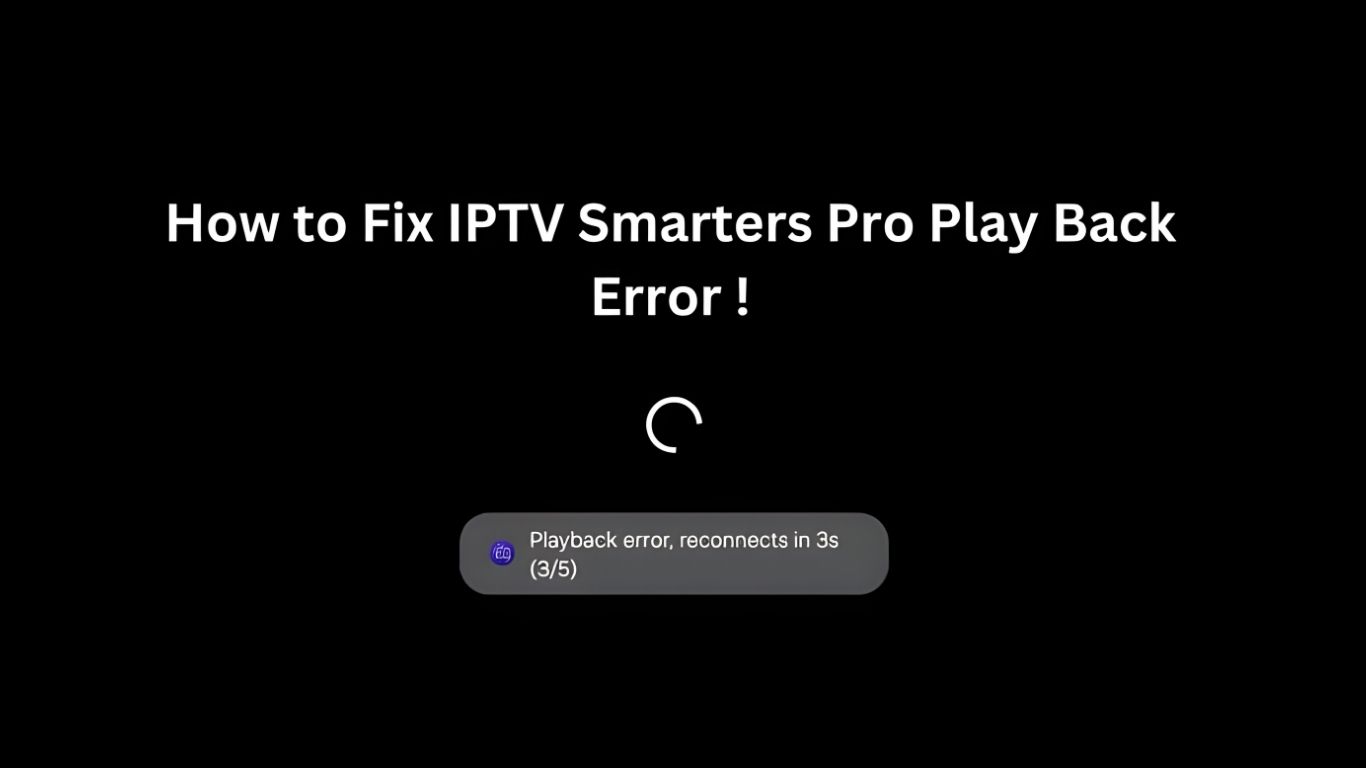
IPTV
fans use the robust and well-liked app IPTV Smarters Pro to stream films, TV shows, and on-demand programming. Playback faults, on the other hand, can be annoying and interfere with your viewing experience. We’ll go over the typical reasons for playback issues with IPTV Smarters Pro in this tutorial, along with detailed fixes. How to get free IPTV Smarters pro accountCommon Causes of Playback Errors
- Internet Connectivity Issues: Weak or unstable internet connections can cause playback errors.
- Server Issues: Problems with the IPTV provider’s server may prevent content from streaming.
- Incorrect Login Credentials: Entering the wrong username, password, or M3U URL can lead to playback issues.
- Outdated App Version: Using an outdated version of IPTV Smarters Pro might cause compatibility issues.
- Corrupted Cache or Data: Temporary files or cache can interfere with app performance.
- Device Compatibility: Some devices may not fully support the app or specific codecs required for streaming.
How to Fix Playback Errors on IPTV Smarters Pro
1. Check Your Internet Connection
A stable internet connection is crucial for seamless streaming. Follow these steps:
- Test your internet speed using an online speed test tool. A minimum speed of 10 Mbps is recommended for HD streaming.
- Restart your router or modem.
- Switch to a wired Ethernet connection if possible for a more stable connection.
- Avoid heavy bandwidth usage (e.g., large downloads) while streaming.
2. Verify Your Login Credentials
Playback errors can occur if your login details are incorrect. Ensure:
- Your username and password are accurate.
- The M3U URL or Xtream Codes provided by your IPTV provider is correct.
If unsure, contact your IPTV provider for the correct credentials.
3. Restart the App
Sometimes, a simple restart can resolve temporary glitches:
- Close IPTV Smarters Pro completely.
- Reopen the app and try streaming again.
4. Clear Cache and App Data
Clearing the app’s cache can resolve issues caused by corrupted files:
- On Android devices:
- Go to Settings > Apps.
- Select IPTV Smarters Pro.
- Tap Storage > Clear Cache and Clear Data.
- On Firestick:
- Go to Settings > Applications > Manage Installed Applications.
- Select IPTV Smarters Pro.
- Click Clear Cache and Clear Data.
5. Update IPTV Smarters Pro
Ensure you’re using the latest version of the app:
- Visit the Google Play Store, Apple App Store, or your device’s app store.
- Search for IPTV Smarters Pro and check for updates.
- Download and install the latest version if available.
6. Test Another Device
If the error persists, try using IPTV Smarters Pro on another device:
- Install the app on a smartphone, tablet, or smart TV.
- Enter your credentials and check if the playback issue continues.
7. Check with Your IPTV Provider
Sometimes, the issue lies with the IPTV service provider:
- Contact your provider to confirm if their servers are functioning correctly.
- Ask if there are any known issues or maintenance work.
8. Disable VPN (If Enabled)
While VPNs are useful for privacy, they can sometimes interfere with streaming:
- Disable your VPN and try accessing the content again.
- If disabling the VPN resolves the issue, switch to a VPN service optimized for streaming.
9. Reinstall IPTV Smarters Pro
If none of the above solutions work, consider reinstalling the app:
- Uninstall IPTV Smarters Pro from your device.
- Restart your device.
- Reinstall the app and log in again with your credentials.
Additional Tips for Seamless Streaming
- Always use a reputable IPTV provider with reliable servers.
- Avoid overloading the app with too many playlists or channels.
- Keep your device’s firmware up to date.
- Use an external player, like VLC or MX Player, for better compatibility if the built-in player fails.
Final Thoughts
Playback errors on IPTV Smarters Pro can be frustrating, but most issues can be resolved with these simple troubleshooting steps. Whether it’s an internet issue, outdated app version, or server problem, addressing these factors will help restore your streaming experience. If all else fails, don’t hesitate to reach out to your IPTV provider for further assistance. By following this guide, you can enjoy uninterrupted entertainment on IPTV Smarters Pro.
Iptv Uk Providers
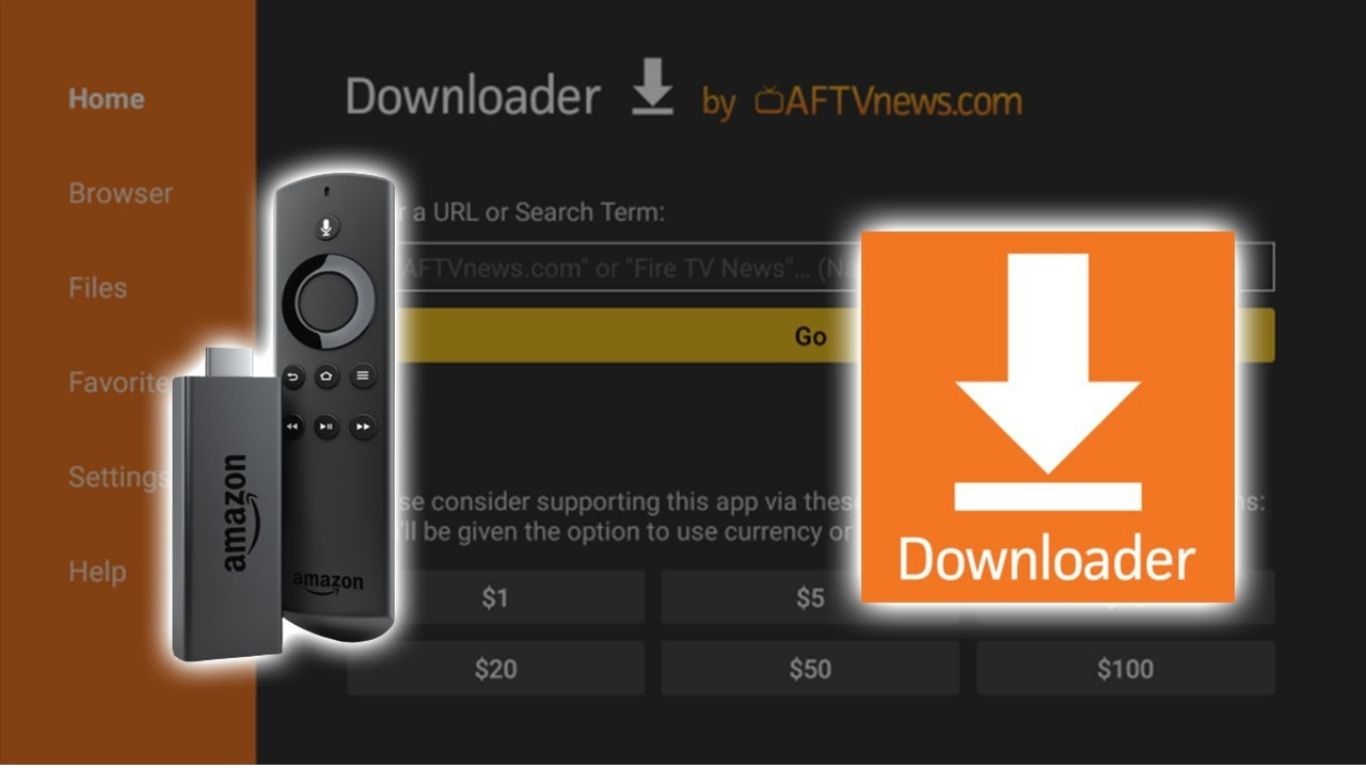
Welcome to our easy-to-follow installation guide for the
BEST IPTV UK app. Whether you’re using a Firestick or an Android Box, you can quickly and safely install our premium IPTV app using the Downloader application.
Before You Begin
Ensure your Firestick or Android Box has a stable internet connection and the Downloader app installed. If you don’t have Downloader yet, you can install it directly from the Amazon App Store (for Firestick) or Google Play Store (for Android Box).
Step-by-Step Guide for Firestick and Android Box
Step 1: Enable ‘Apps from Unknown Sources’
- Firestick Users:
- Go to Settings > My Fire TV > Developer Options.
- Select Apps from Unknown Sources and turn it ON.
- Android Box Users:
- Navigate to Settings > Security & Restrictions.
- Enable Unknown Sources.
Step 2: Open Downloader App
- Launch the Downloader app on your device.
Step 3: Enter the BEST IPTV UK App Short Code :
- In the Downloader app, you’ll see a URL box.
- Enter the direct download Short provided to you for the BEST IPTV UK app. (Typically provided after subscription,( 7709919 ).
- Click GO.
Step 4: Download and Install the App
- Wait for the download to finish.
- After the download completes, the installation prompt will appear. Select Install.
- Wait for the app to install fully, then click Done.
Step 5: Launch BEST IPTV UK
- You can now open BEST IPTV UK directly or find it in your apps list on your Firestick or Android Box home screen.
Final Steps
- Open the app, log in with your provided credentials, and start enjoying premium IPTV channels, movies, series, and much more without buffering issues.
Need Help?
If you encounter any issues, feel free to contact our 24/7 customer support team for immediate assistance.